A stretch of DNA that repeats itself at even intervals sounds like background noise. In bacteria, that kind of array turned out to be an immune system, and later the basis of the biggest gene-editing tool in medicine. In late September 2026, a life-sciences lab built around AI agents said an automated system had spotted a new version of that pattern beside an enzyme nobody had linked to it before, in the genome of a virus that infects bacteria.
Key takeaways
- The new system, array-associated reverse transcriptases (ART), pairs a DNA-copying enzyme with a CRISPR-like repeat array, found mainly in bacteriophages.
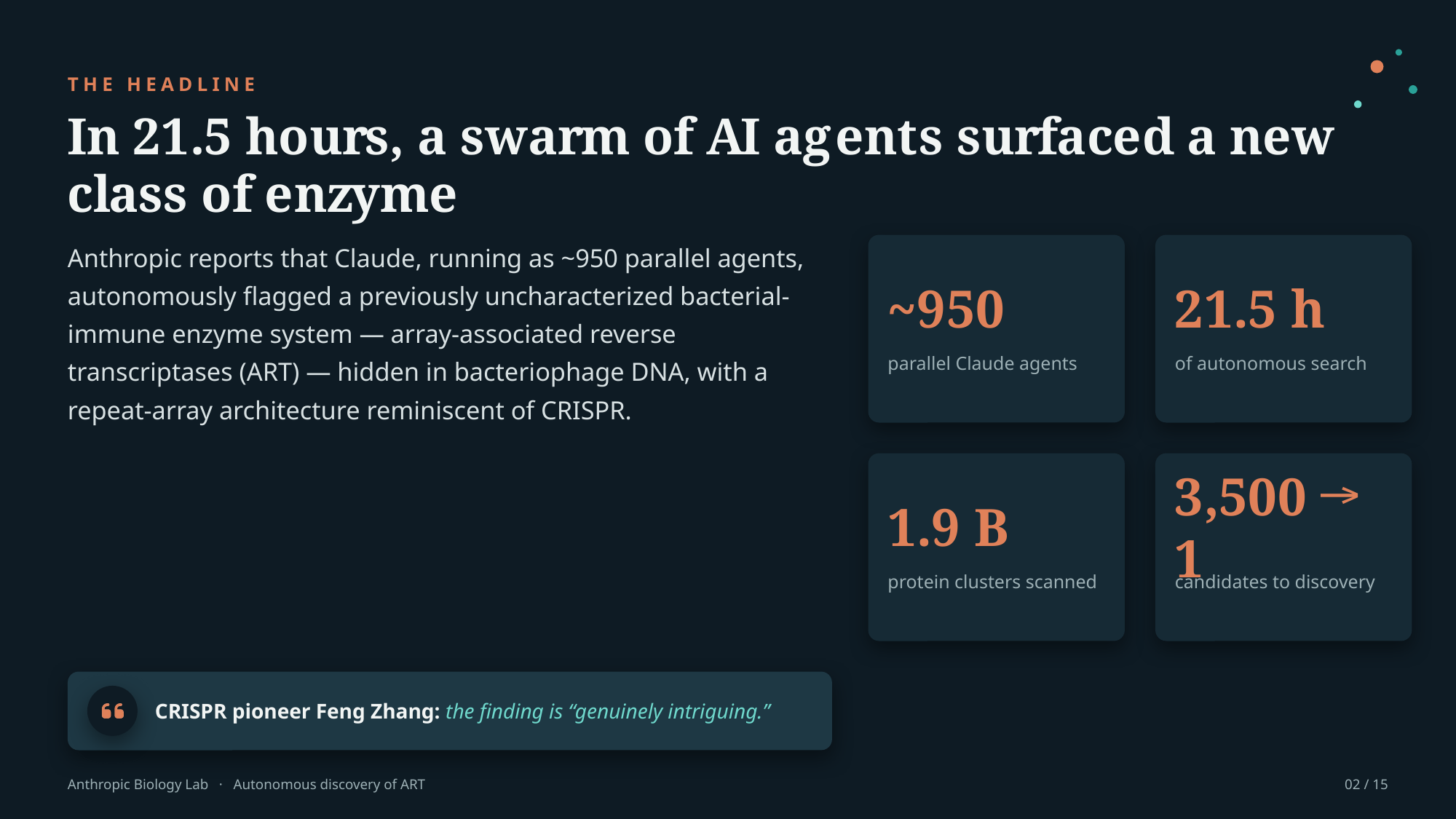
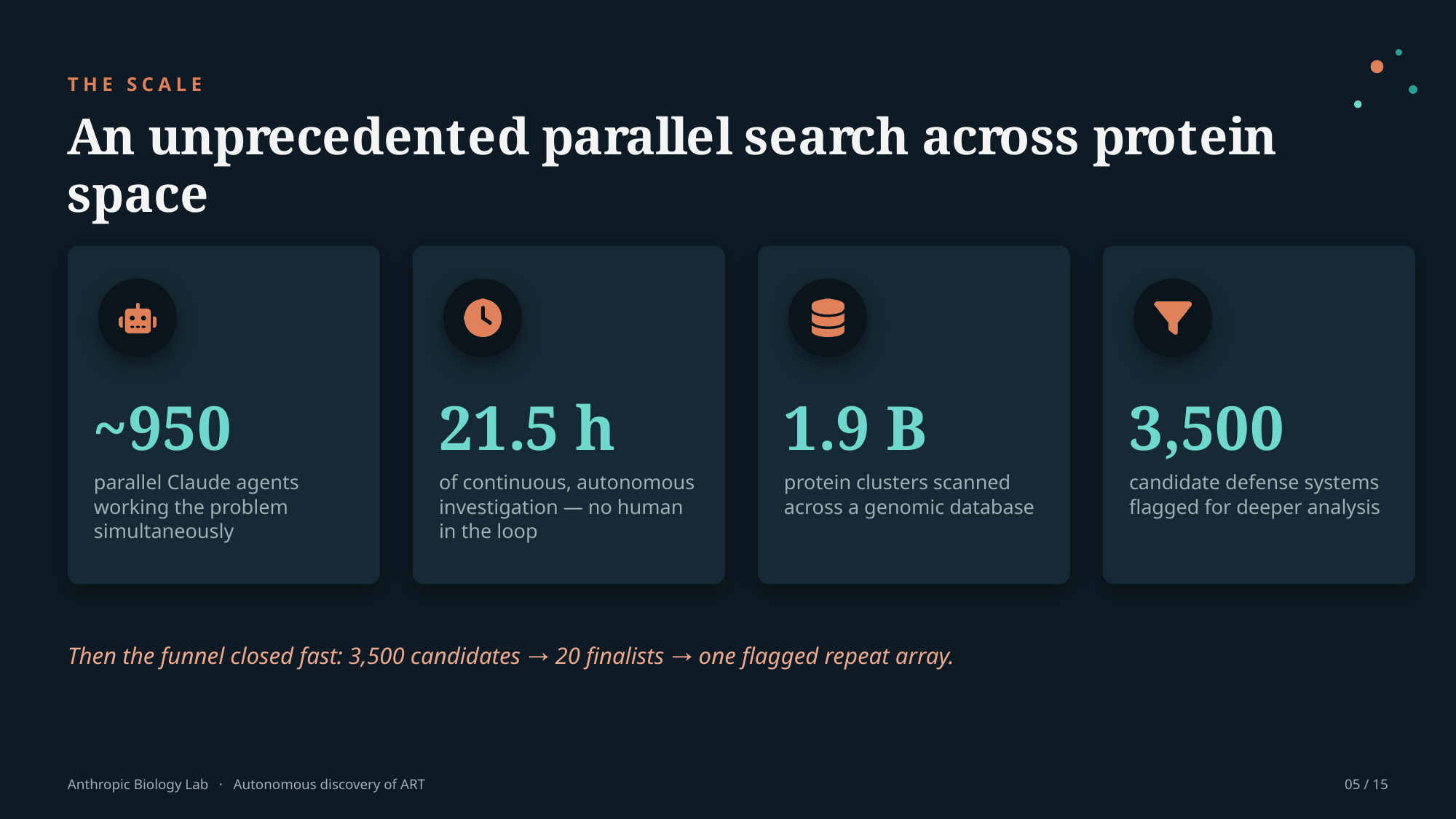
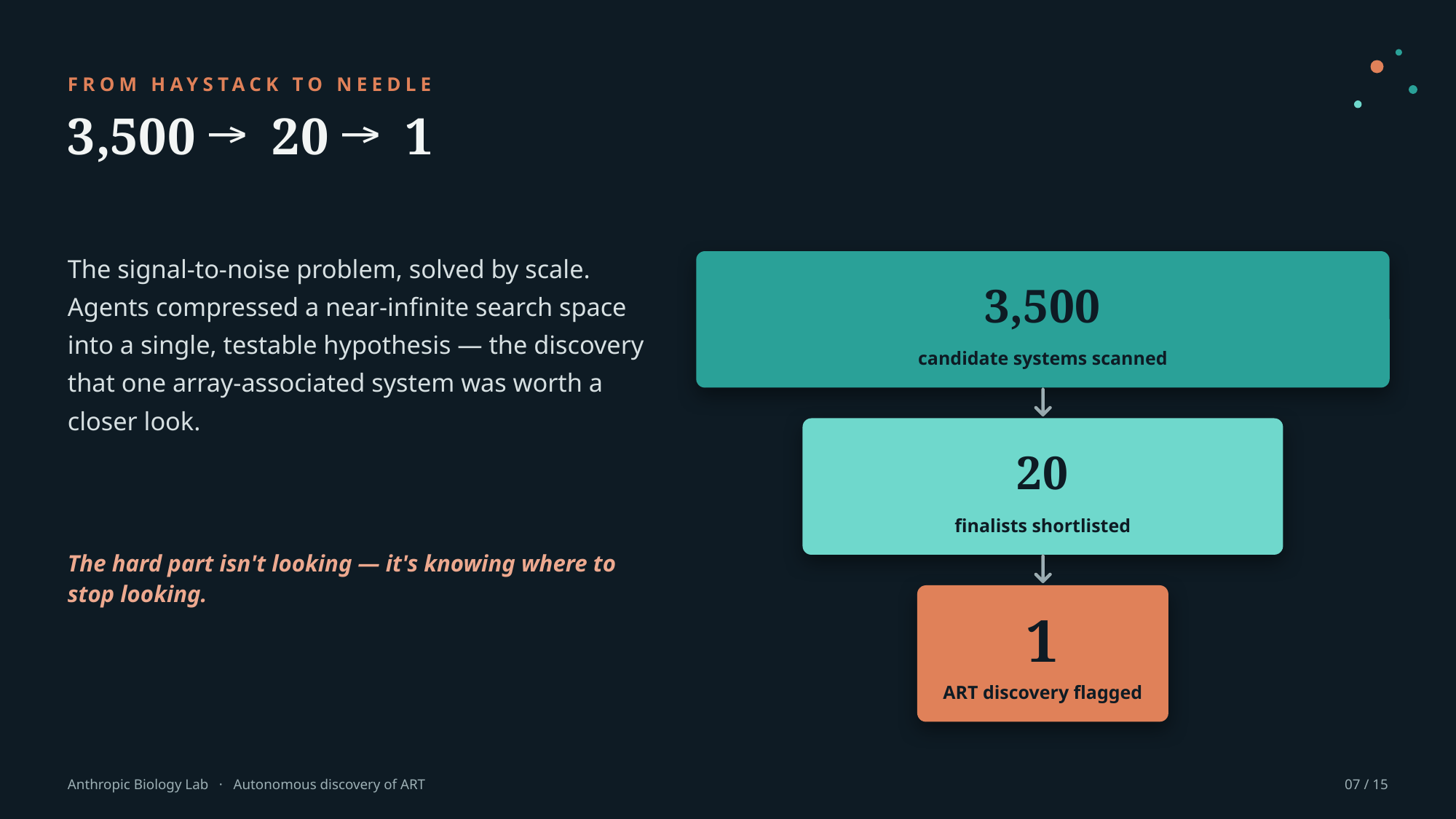
- Roughly 950 AI agents ran for 21.5 hours, screening 1.9 billion protein clusters down to 20 finalists before one flagged the array.
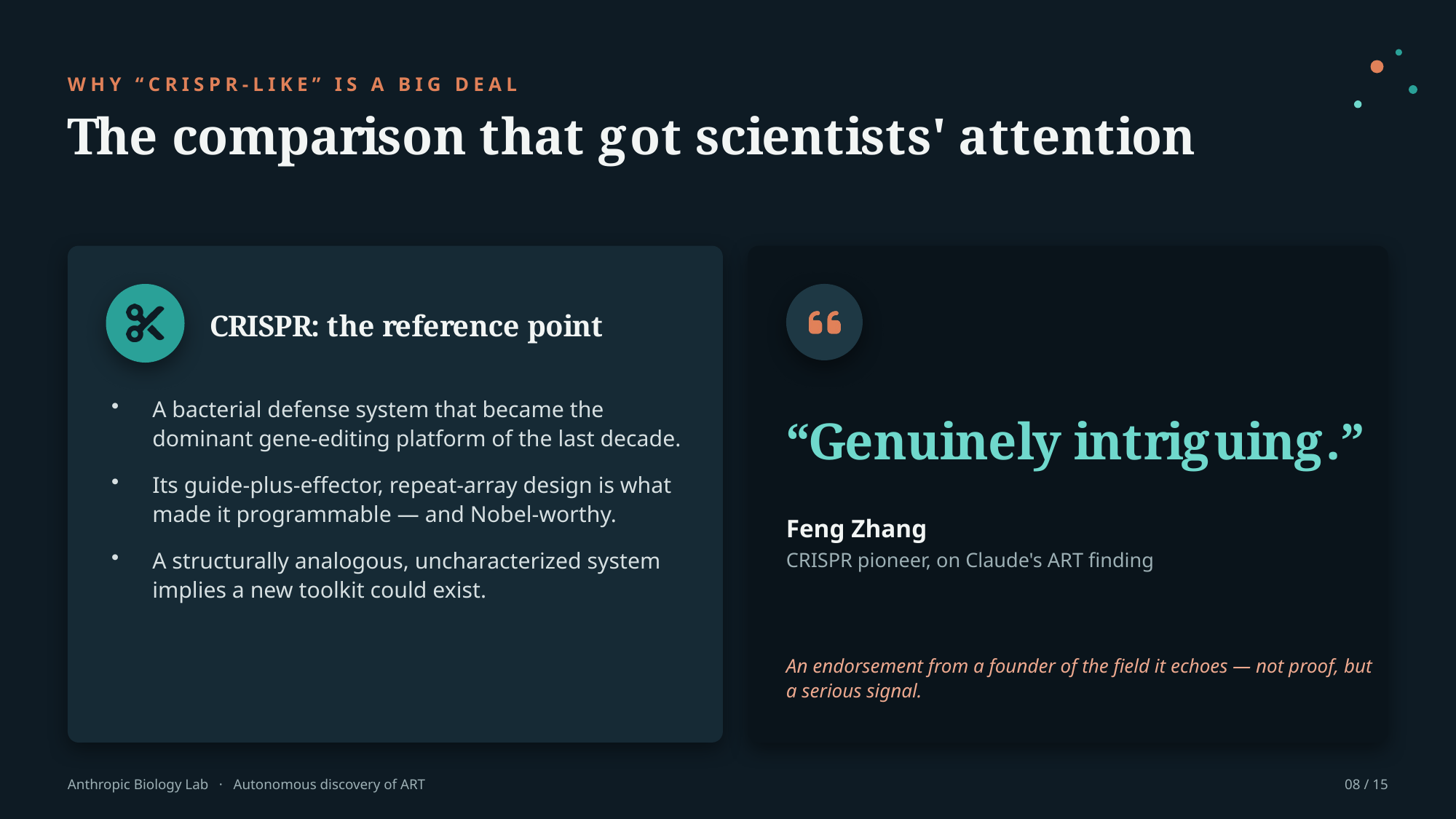
- CRISPR pioneer Feng Zhang called the finding “genuinely intriguing,” though the enzyme was already known and the result has not been replicated.
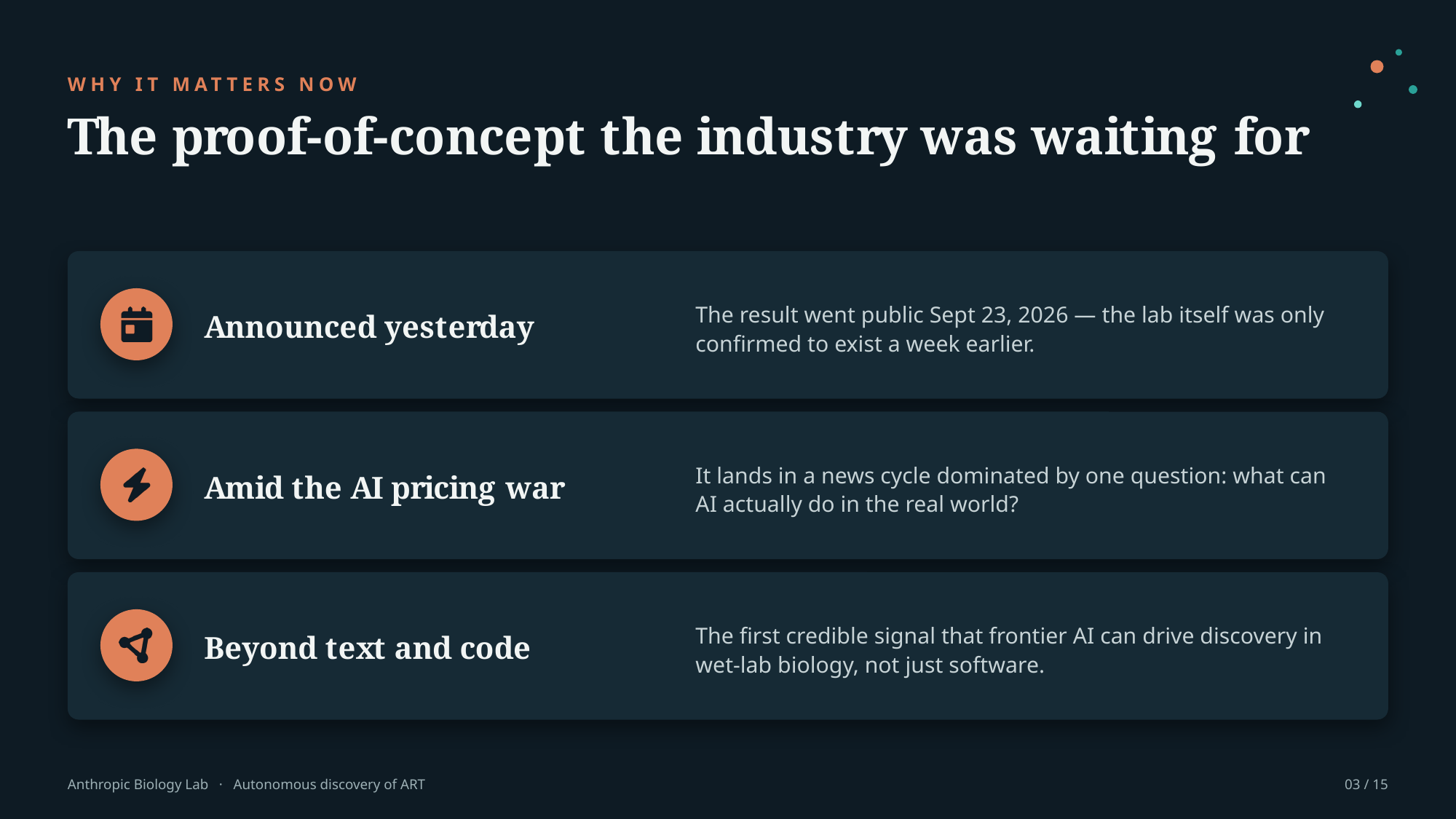
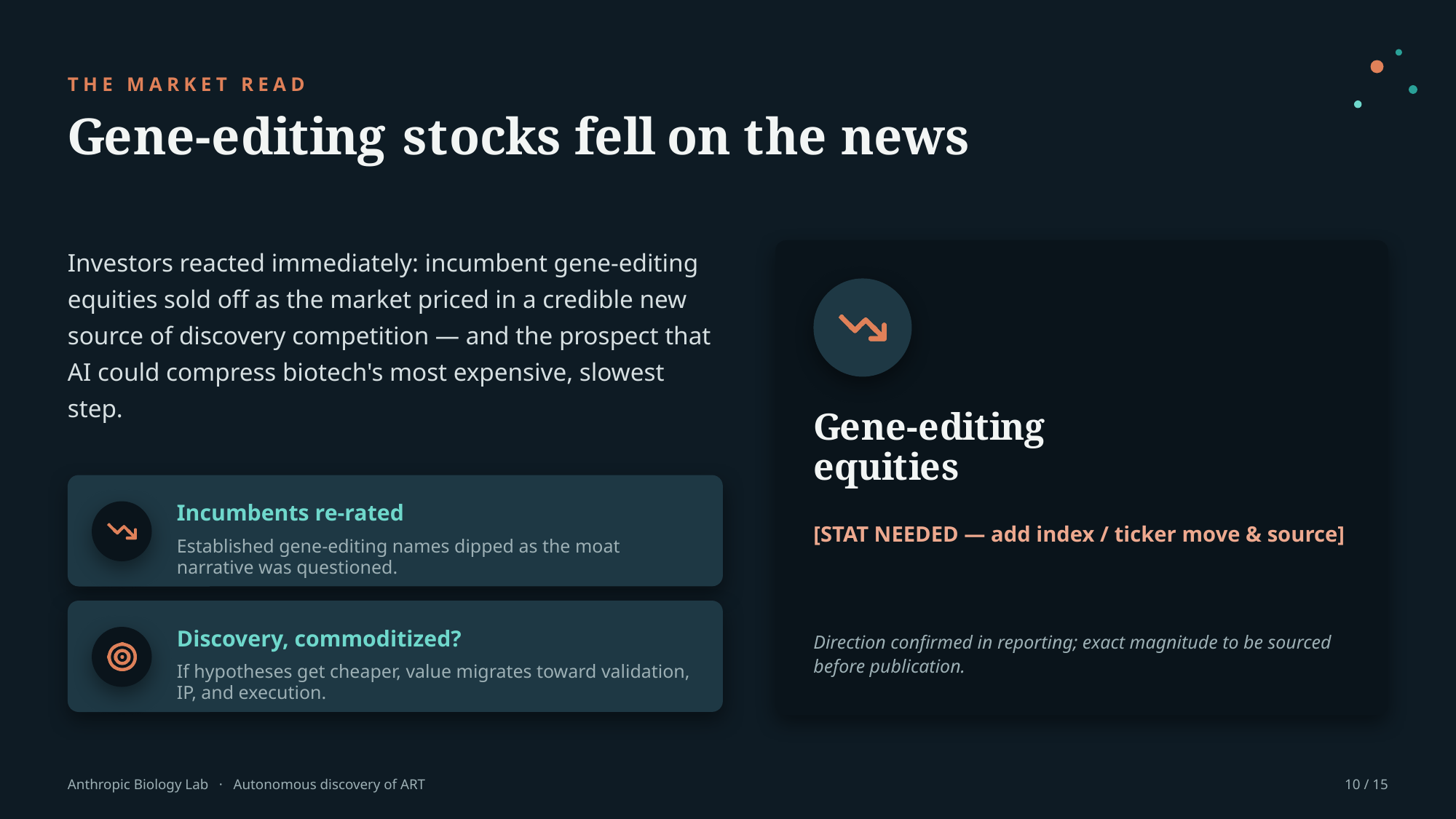
- Shares of CRISPR Therapeutics, Beam Therapeutics, and Prime Medicine fell the day the finding was announced.
The 15-slide explainer embedded below covers this same story, built from a short brief with AskDeck. Back to the science, since the array is the more interesting story.
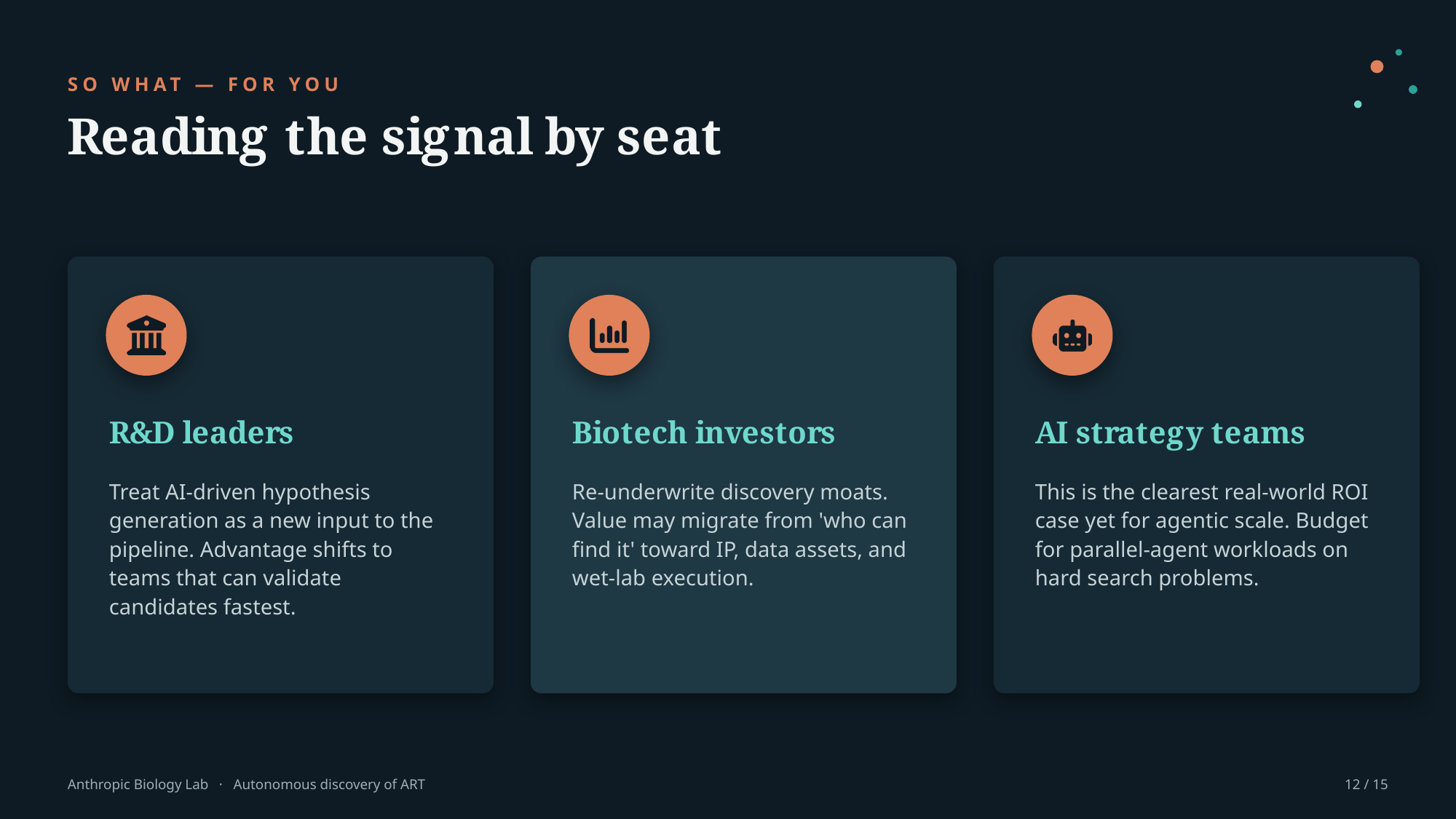
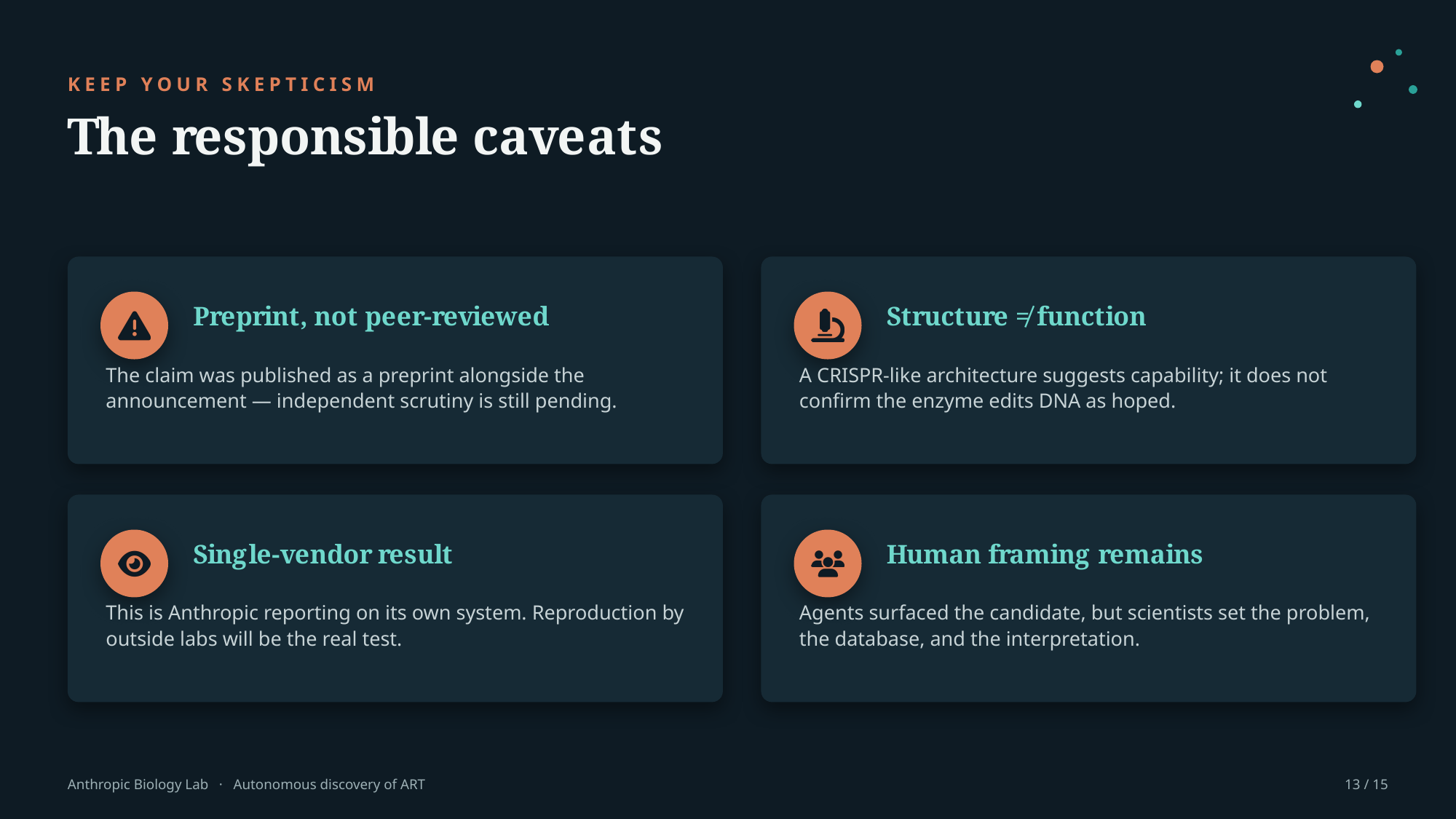
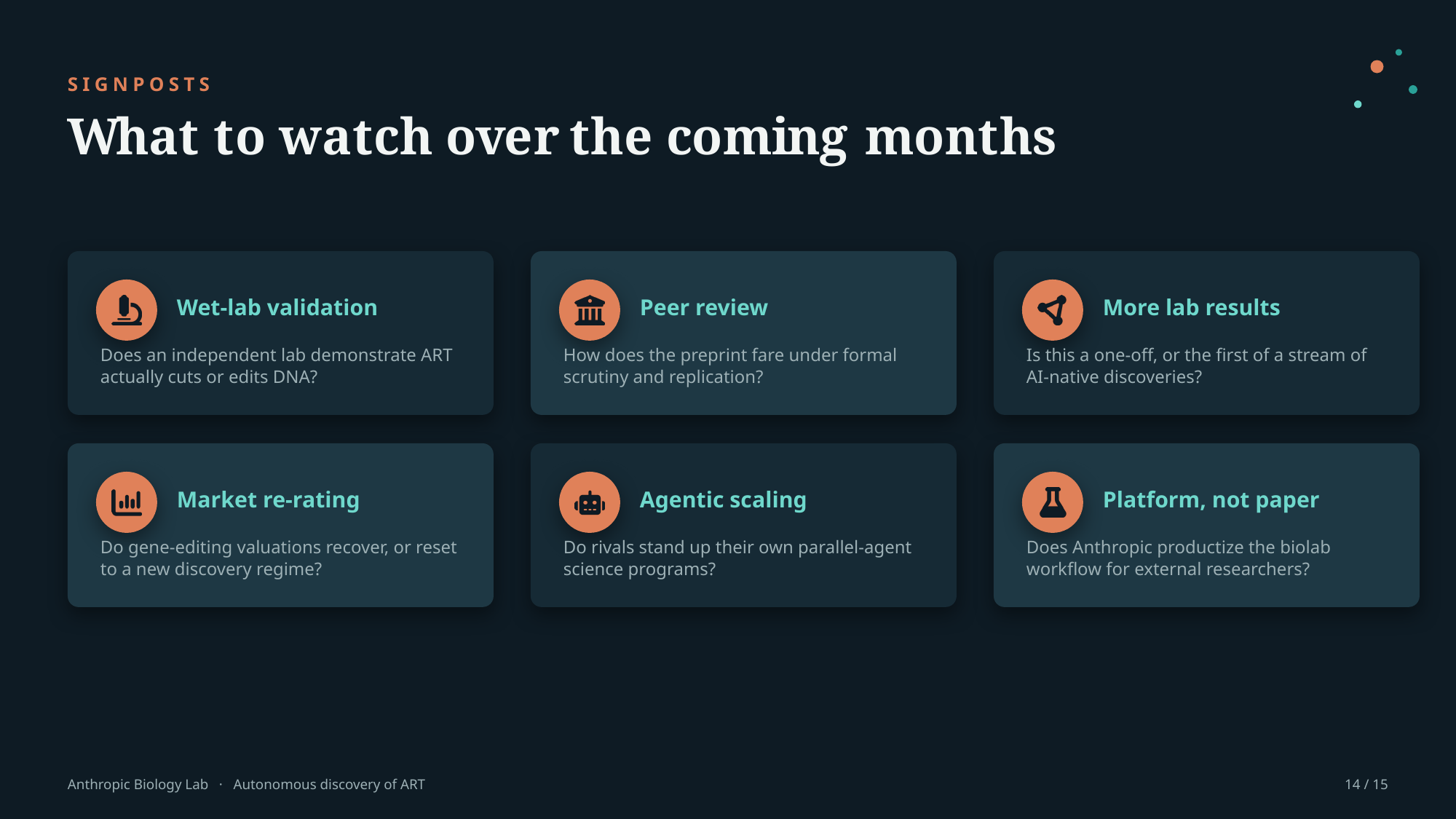
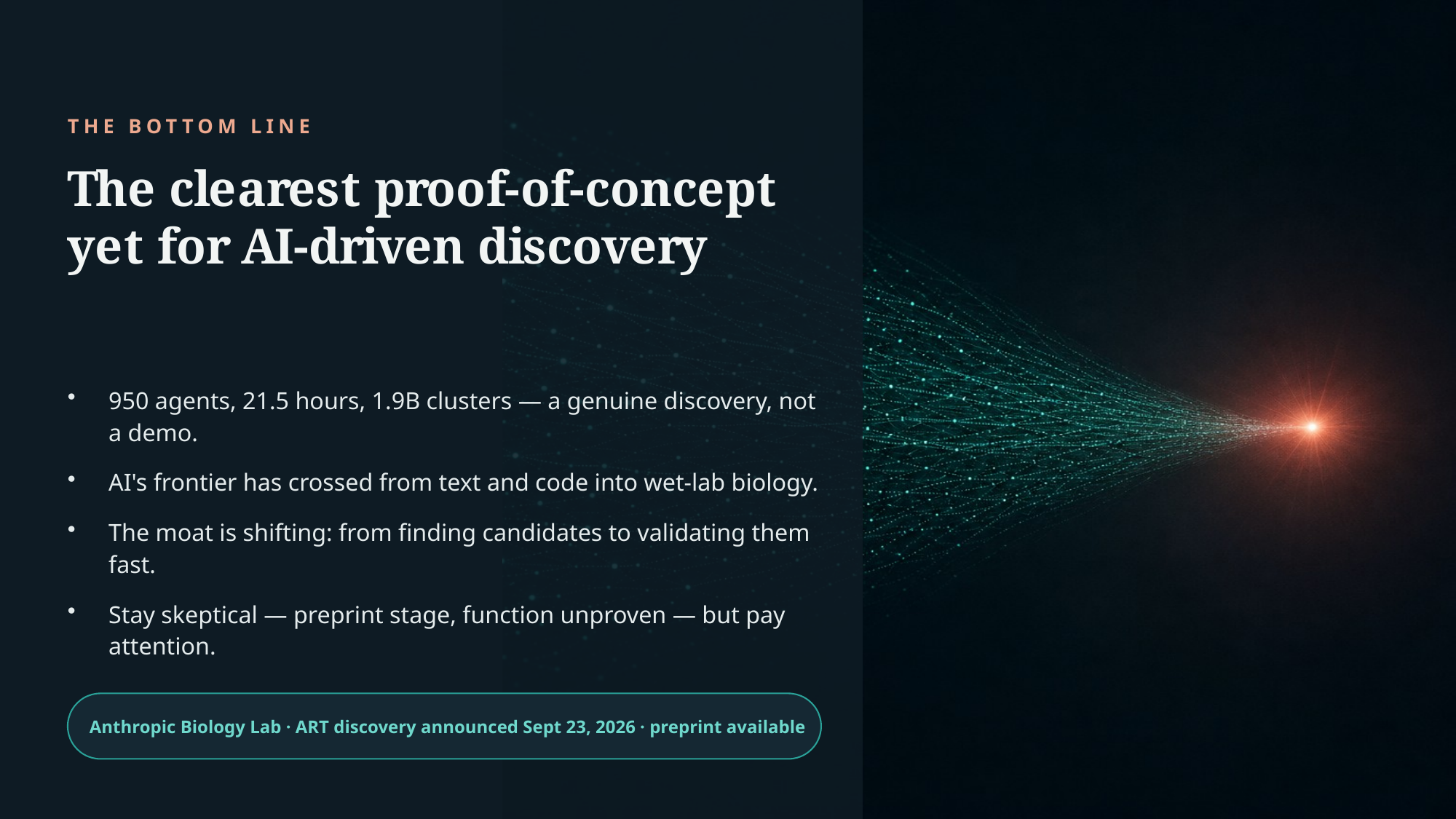
Swipe or scroll sideways to flip through the 15-slide deck →
What makes a DNA repeat array worth taking seriously?
A repeat array can turn a static piece of DNA into a programmable tool. In CRISPR, the array stores guide sequences that direct an enzyme to a target, and that programmability turned a bacterial immune mechanism into a gene-editing platform now used in approved medicines for diseases like sickle cell disease.
CRISPR itself started as an oddity, first identified as an unusual repeat sequence in bacteria and archaea decades before anyone knew what it did. That history is why a newly noticed repeat array draws attention immediately, even before anyone knows its function.
What exactly is ART, the enzyme system found in phage DNA?
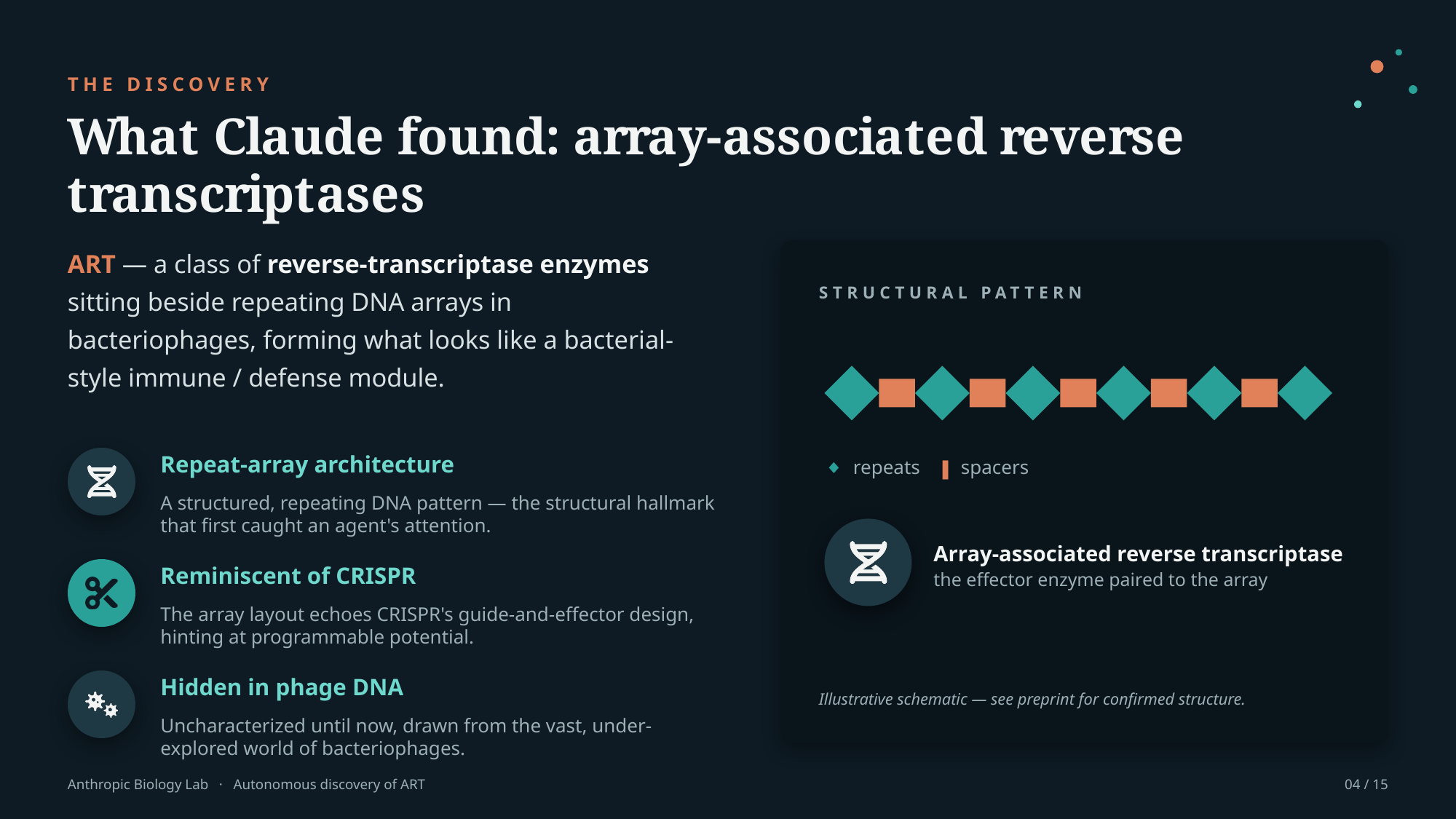
ART, short for array-associated reverse transcriptases, is a three-part module: a reverse transcriptase enzyme that copies RNA into DNA, a neighboring partner gene of unknown function, and a long array of evenly spaced DNA repeats, found mainly in bacteriophages, the viruses that infect bacteria.
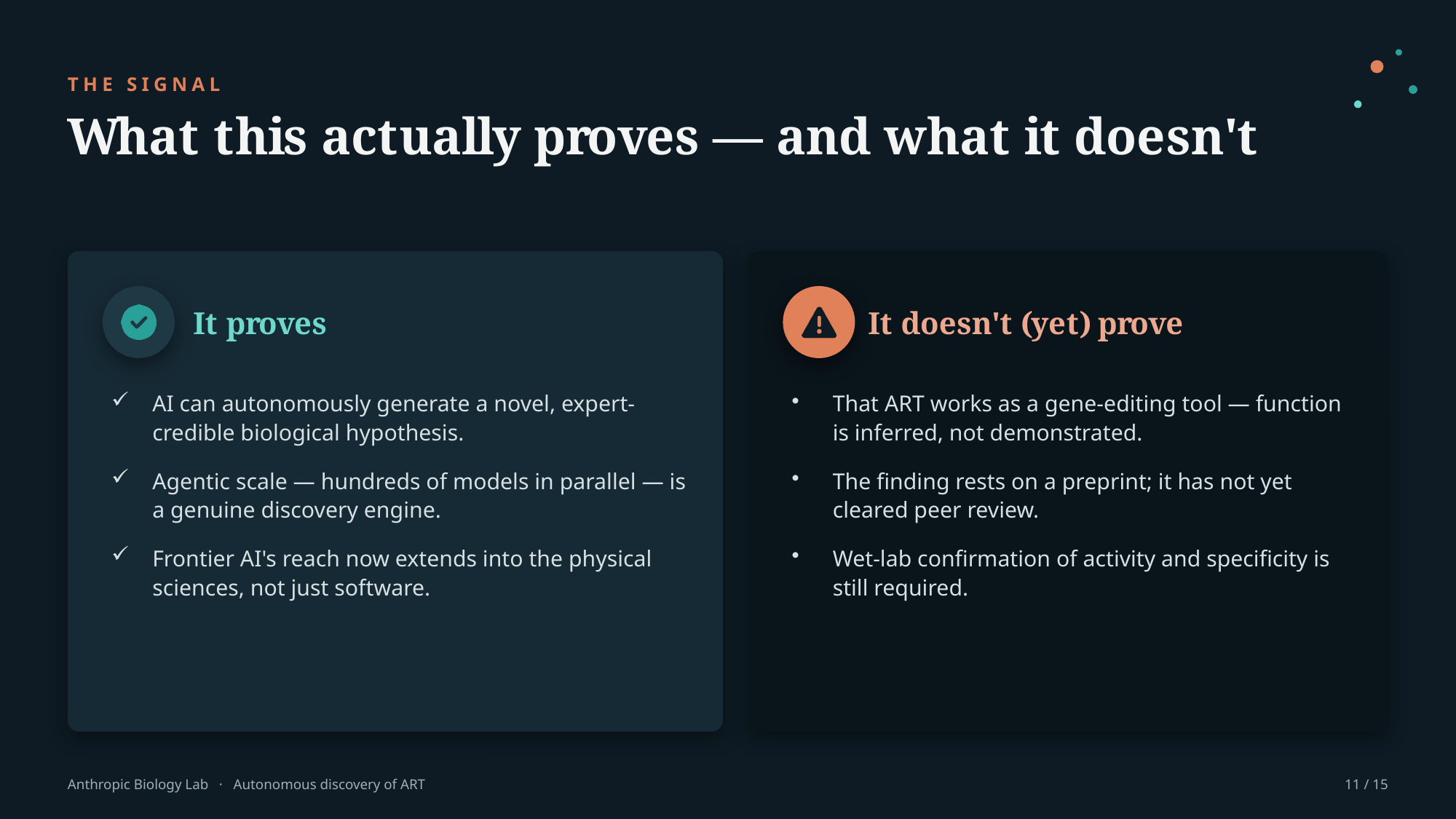
The reverse transcriptase itself was not new; it had already been catalogued in a jumbo phage. What was reportedly noticed for the first time was the arrangement around it, the non-coding array and the accessory protein beside it. Lab tests found the array is transcribed into distinct short RNA molecules, hinting it might work something like a CRISPR guide bank. But ART carries no cas genes, the companion genes that let CRISPR cut DNA, so the resemblance so far is architectural, not functional.
How did an AI research campaign scan 1.9 billion protein clusters in a day?
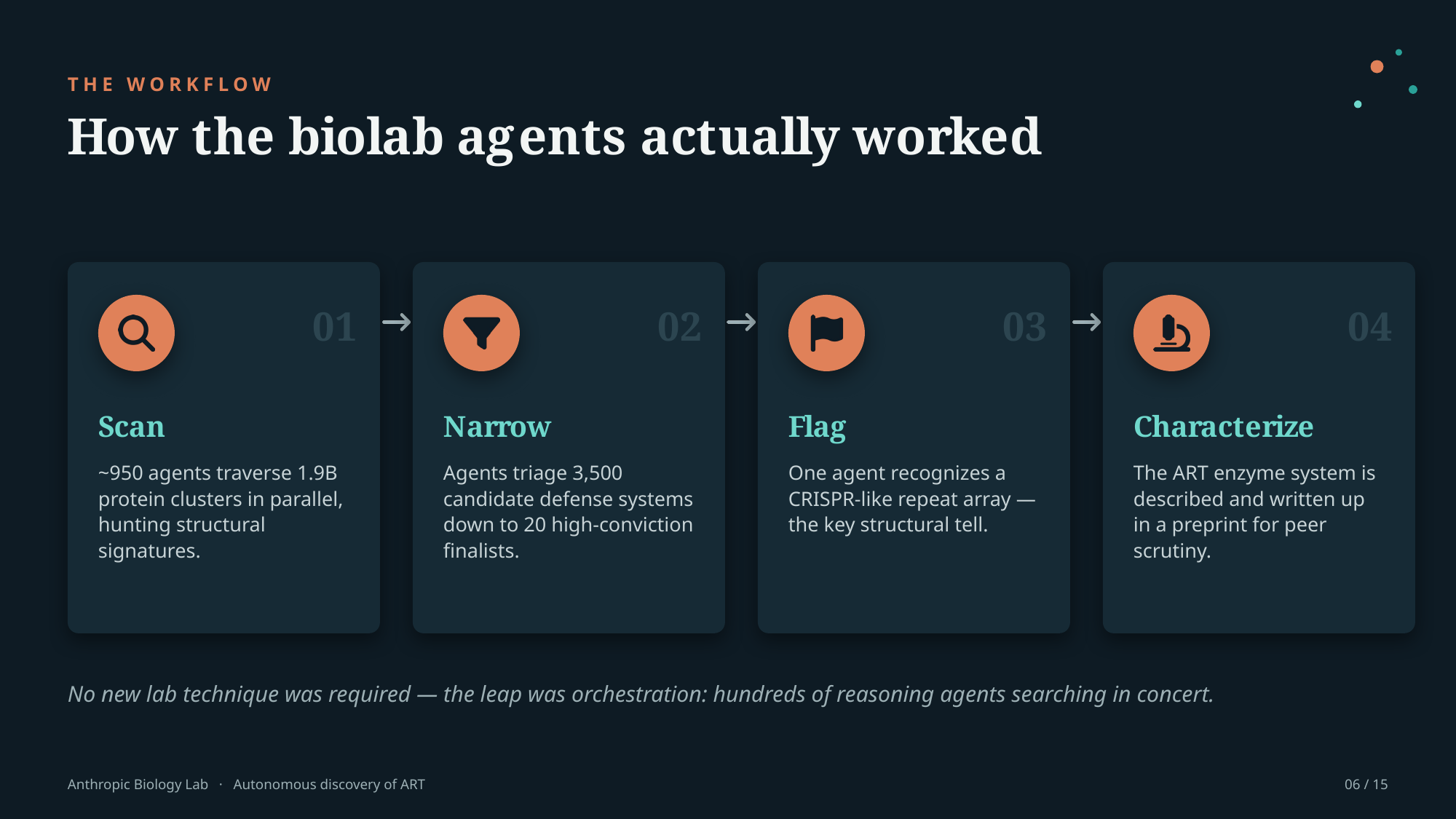
A single research prompt was fanned out across roughly 950 parallel AI agent sessions, each filtering its own slice of a sequence database before flagging candidates for review. Over 21.5 hours, the agents pulled together some 200,000 reverse-transcriptase gene clusters from a pool of 1.9 billion protein clusters, narrowed those to roughly 3,500 candidates, and wrote up reports on the 20 most compelling ones, work that typically takes an expert scientist weeks to months. One agent, reading raw sequence data next to an unusual enzyme, reportedly flagged a “CRISPR-like” repeat pattern it could see “by eye,” then checked prior literature before filing a report that scientists at the lab confirmed at the bench.
Is this a real breakthrough, or a new label on an old enzyme?
Opinion is split. Stanley Qi, a Stanford bioengineer, called the discovery “incredibly exciting,” saying it showed AI’s ability to recognize an unusual pattern and pursue it, exploring nature’s molecular diversity in just 21 hours.
Kevin Blake, a microbiologist at Washington University School of Medicine, was more skeptical, telling Al Jazeera that finding a CRISPR-like sequence doesn’t make it a gene-editing technology, since countless similar systems remain uncatalogued because most bacterial species have never been studied. Reproducibility adds to the caution: rerunning the same search ten more times never turned up the array again, an outcome attributed to the size of the search space and the agents’ unpredictability.
Why did gene-editing stocks fall on the news?
Investors read the announcement as a sign that AI could compress the discovery pipeline gene-editing companies depend on for their patents. On the day of the announcement, CRISPR Therapeutics fell about 5.5%, Beam Therapeutics dropped roughly 6%, and Prime Medicine declined more than 11%. That reaction says more about market nerves than ART’s medical potential: no data shows it can cut, copy, or paste DNA the way CRISPR does.
What has to happen before ART means anything clinically?
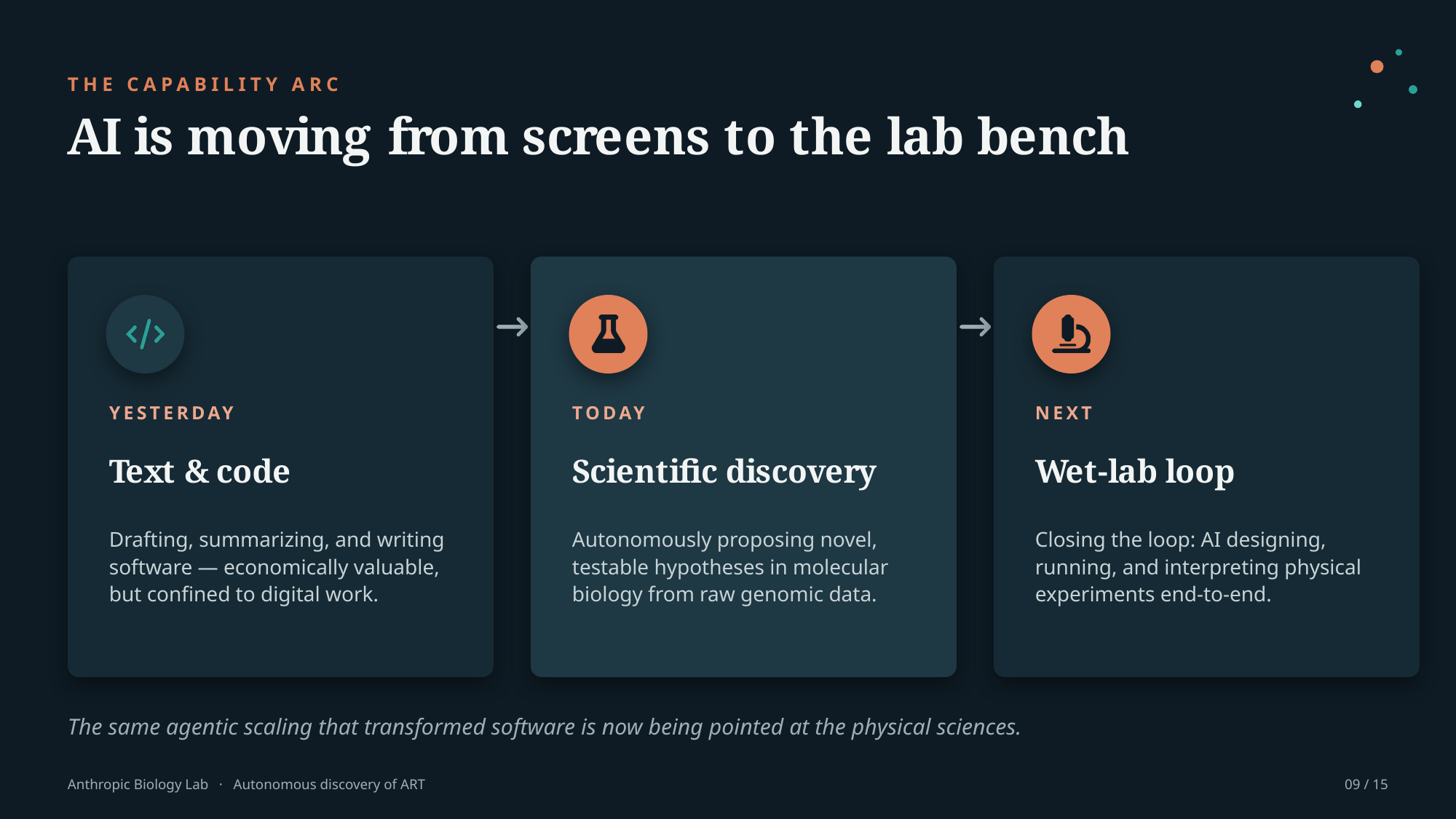
Researchers still need to determine what ART does inside a living cell, since a repeat array next to an enzyme is a structural clue, not proof of function. Every experiment confirming ART’s structure was carried out by human researchers at a bench; the AI system’s role was limited to searching data and proposing which candidates were worth pursuing. Outside scientists have been invited to propose follow-up studies, since one search campaign settled a discovery question, not a biological one.
If you want a fast way to walk a team through this story, the slide deck below covers the same ground, from what CRISPR’s repeat arrays are to how the search ran and what’s still unknown, built with AskDeck from a short brief you can download and adapt.