A model-agnostic coding agent is an AI programming assistant that runs in your terminal (or a desktop app or editor) and connects to any large language model you choose — dozens of hosted providers or a model running locally on your own hardware — instead of being tied to one vendor’s model and cloud. The open-source versions are MIT-licensed and self-hostable, so you pay only the underlying model’s API rate, or nothing at all when you run a local model. In 2026 that flexibility turned from a nice-to-have into a budget decision, as proprietary coding tools moved to per-token billing and heavy users reported invoices 10 to 50 times higher than their old flat plans.
What a model-agnostic coding agent actually is
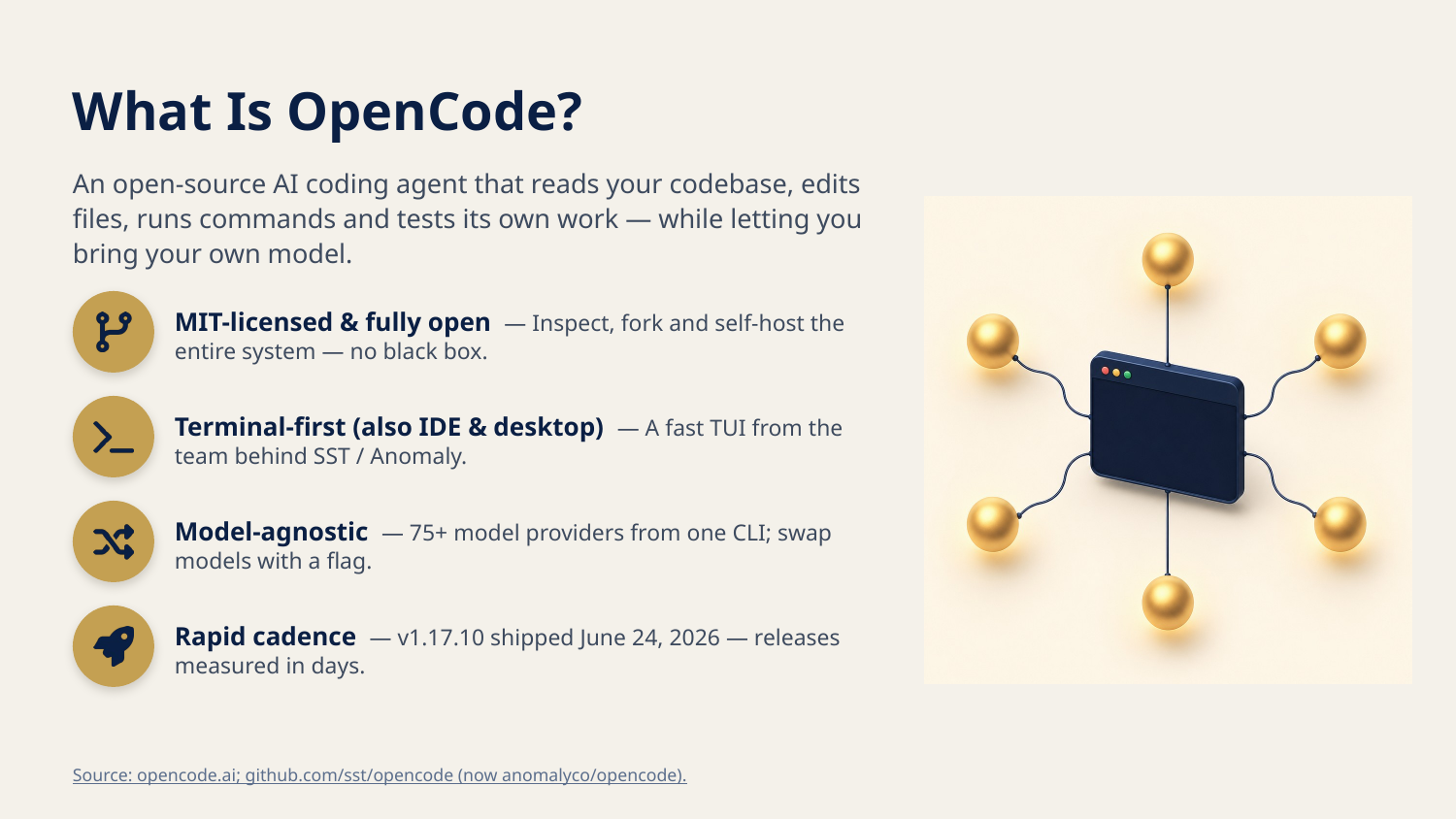
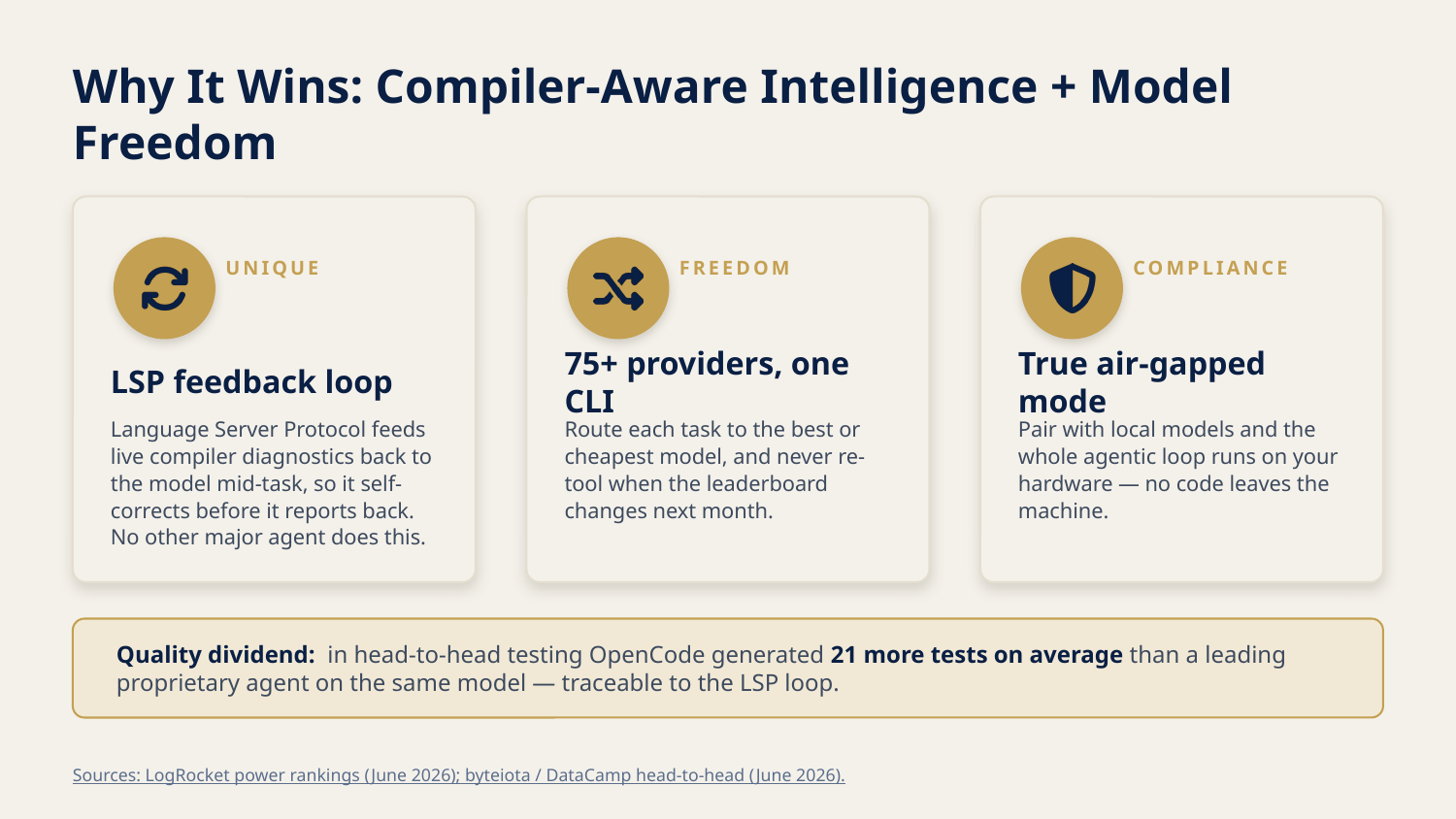
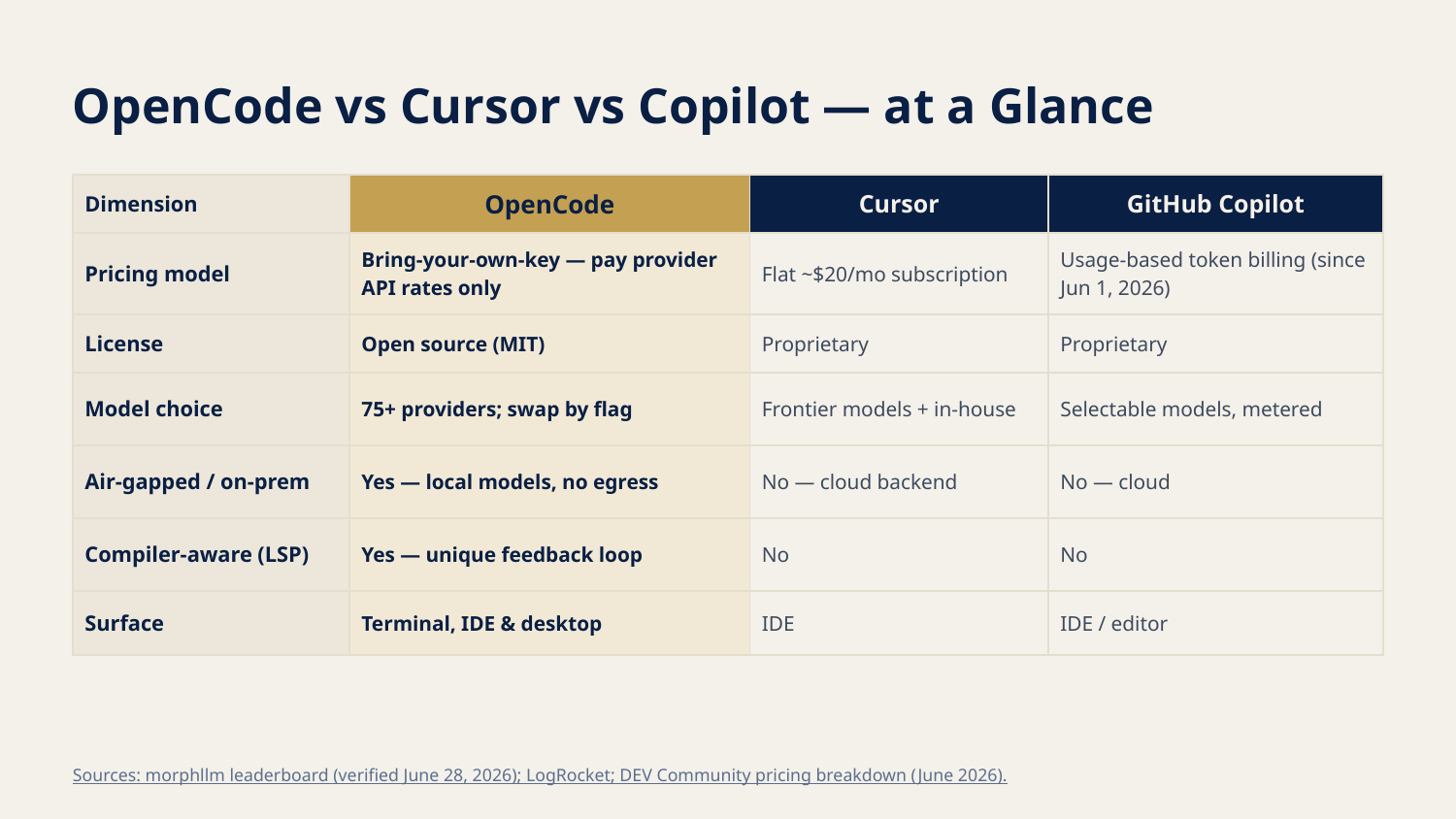
Traditional AI coding tools bundle the interface, the model, and the billing into one product: you use the vendor’s model, on the vendor’s cloud, at the vendor’s price. A model-agnostic agent splits those apart. One command-line interface can drive more than 75 model providers and switch between them per task, so the same tool handles a cheap model for scaffolding and a frontier model for hard reasoning. Because the leading open-source options are MIT-licensed, you can read the source, audit it, fork it, or extend it — and the core tool stays free no matter which model you point it at.
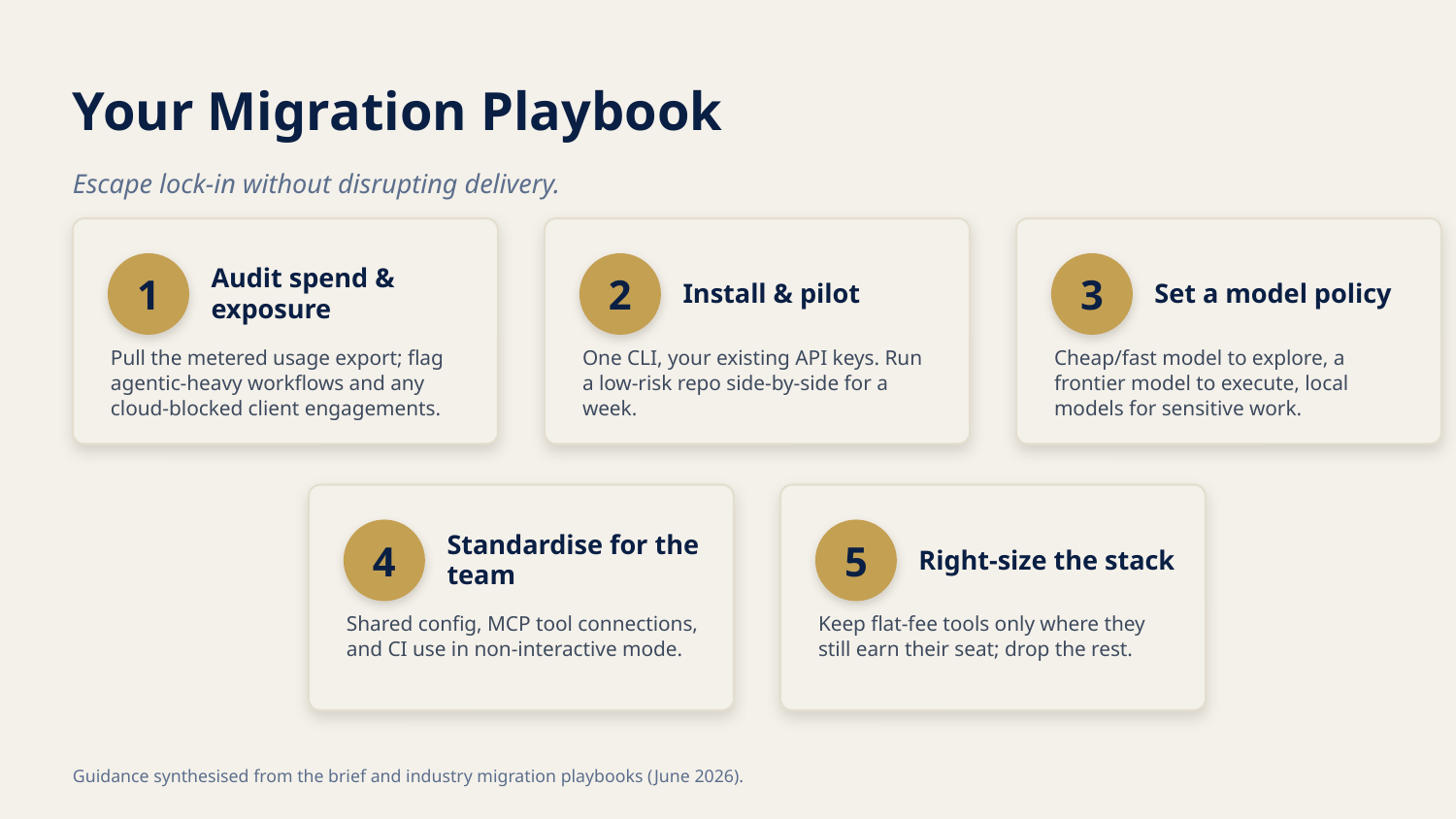
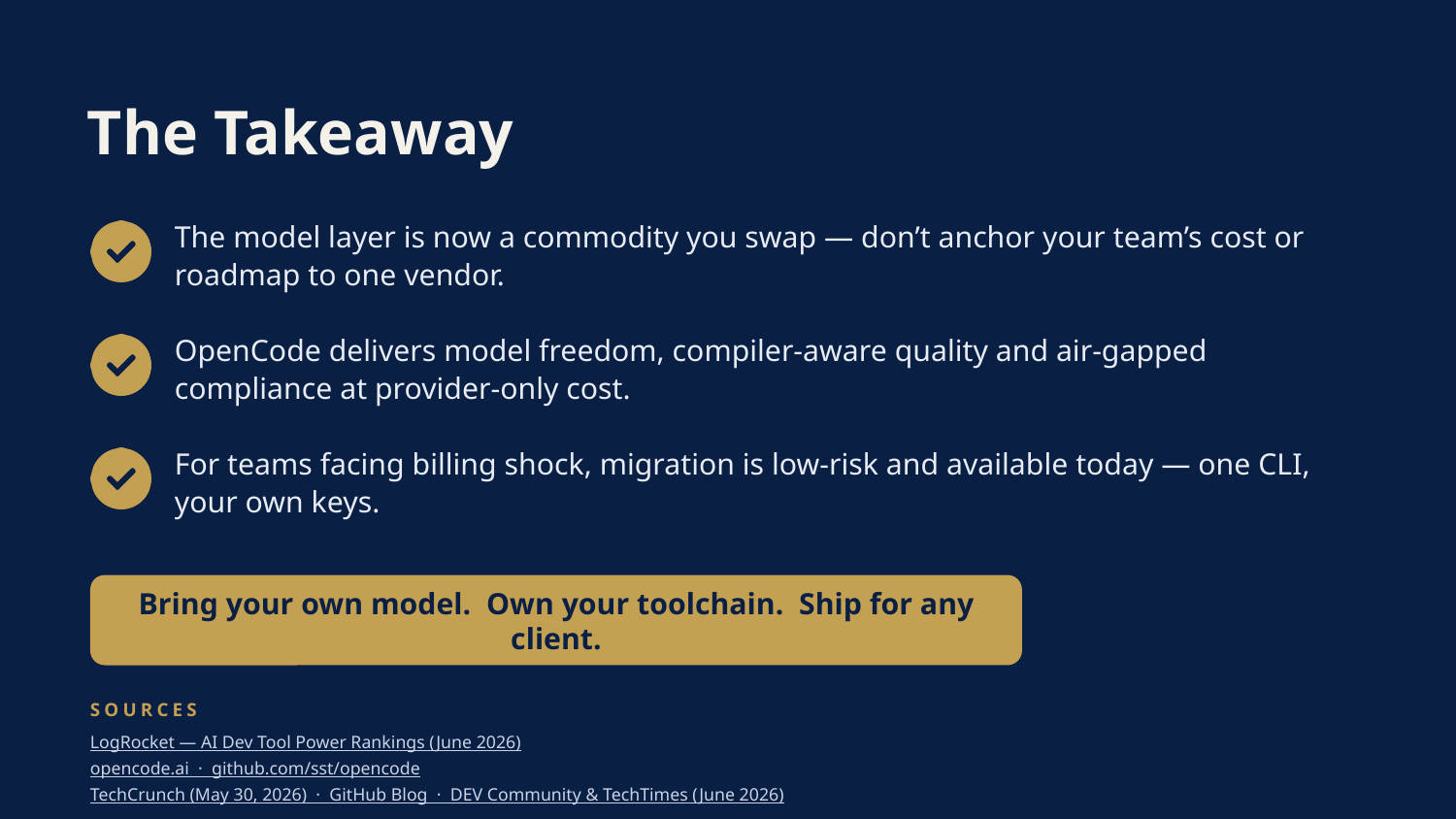
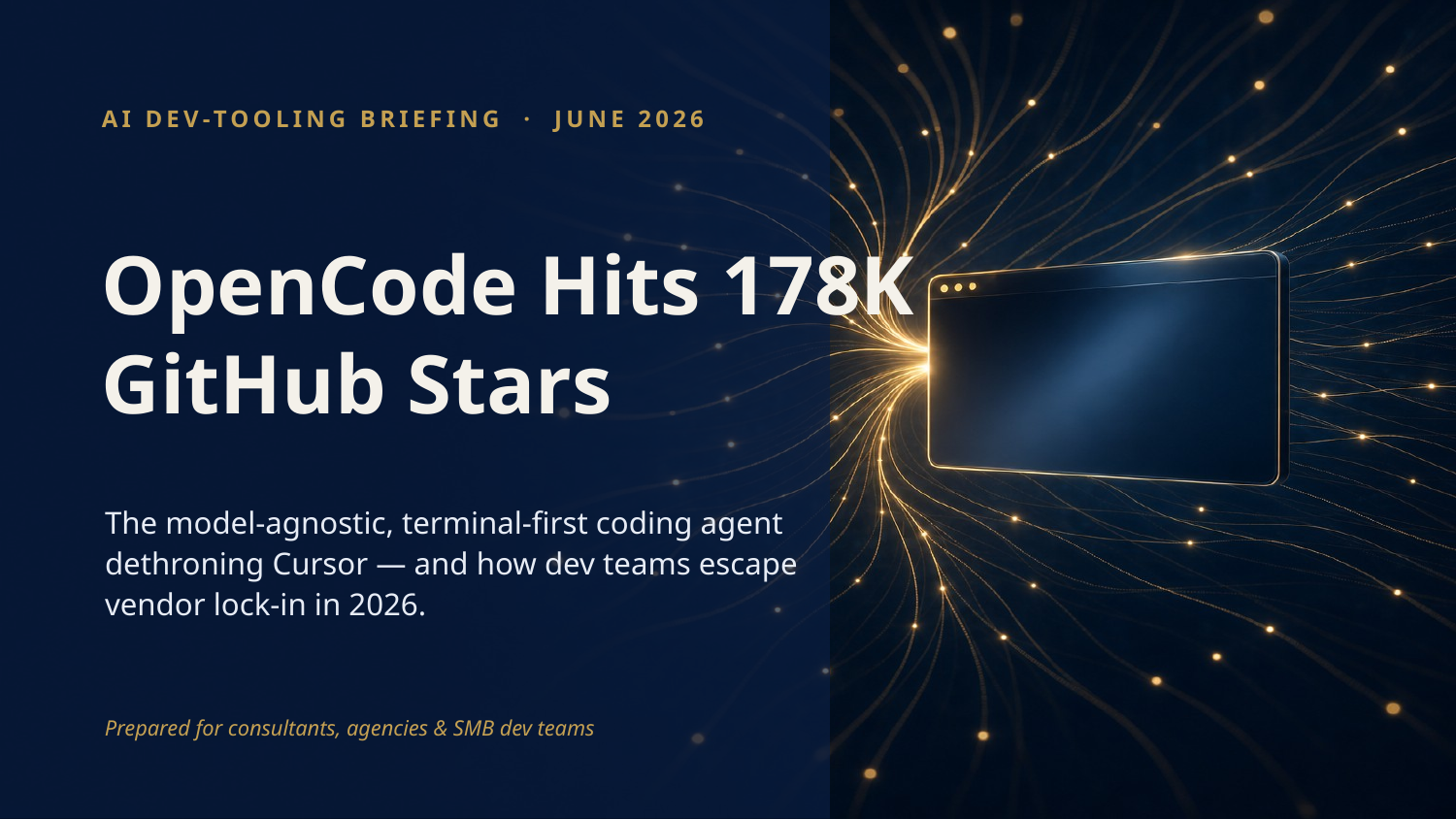
The example slides embedded below this post are a ready-to-use deck on exactly this topic, generated by AskDeck from a short brief. Back to the substance.
How the LSP feedback loop works
The most useful technical feature in this class of tools is tight integration with the Language Server Protocol (LSP) — the open standard editors already use for autocomplete, go-to-definition, and error checking. A model-agnostic agent can spawn language servers for your project and feed their compiler diagnostics back to the model after every edit. When the model introduces a type error, it sees the error on the next turn and corrects itself, instead of waiting for you to run the compiler.
The payoff shows up in refactors. Change a function signature from a string parameter to a number, and without diagnostics the agent has no idea that fifteen call sites now pass the wrong type. With the LSP loop, the agent immediately sees every downstream error — often across dozens of files — and fixes them in place. Built-in language servers typically cover TypeScript, Python, Rust, Go, C/C++, Java, and roughly twenty more.
Why air-gapped deployment matters
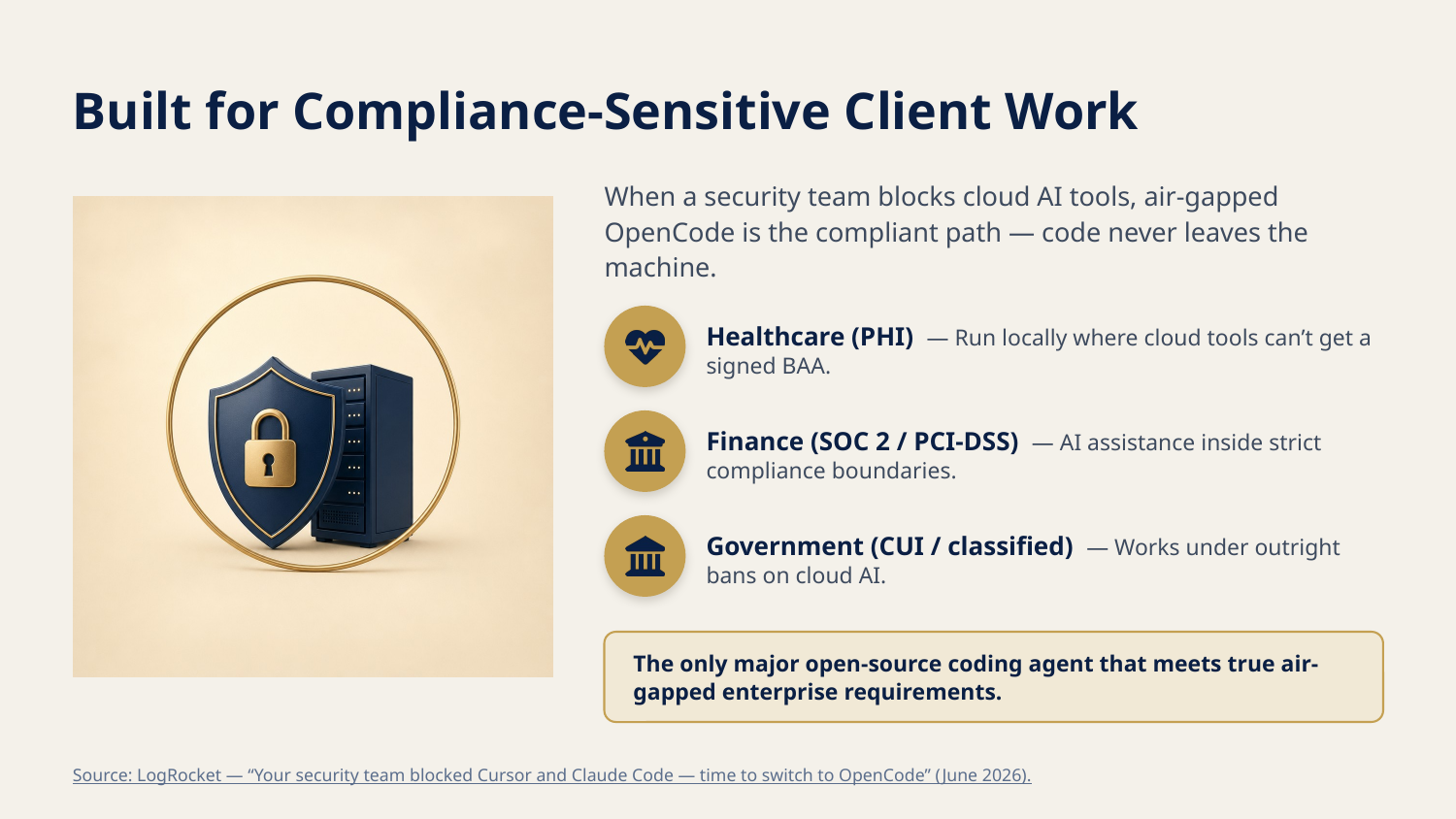
Because a model-agnostic agent can point at a model running on your own machine, an entire session can run with no outbound network calls. For regulated work — code covered by HIPAA, PCI DSS, or client NDAs — that is often the difference between allowed and not allowed. A local tool-calling model in the 70-billion-parameter class, driven by an open-source agent you can inspect line by line, keeps source code on hardware you control. If your work touches a specific compliance regime, confirm the exact requirements with a qualified expert before you rely on any setup.
Why teams are re-evaluating their stack now
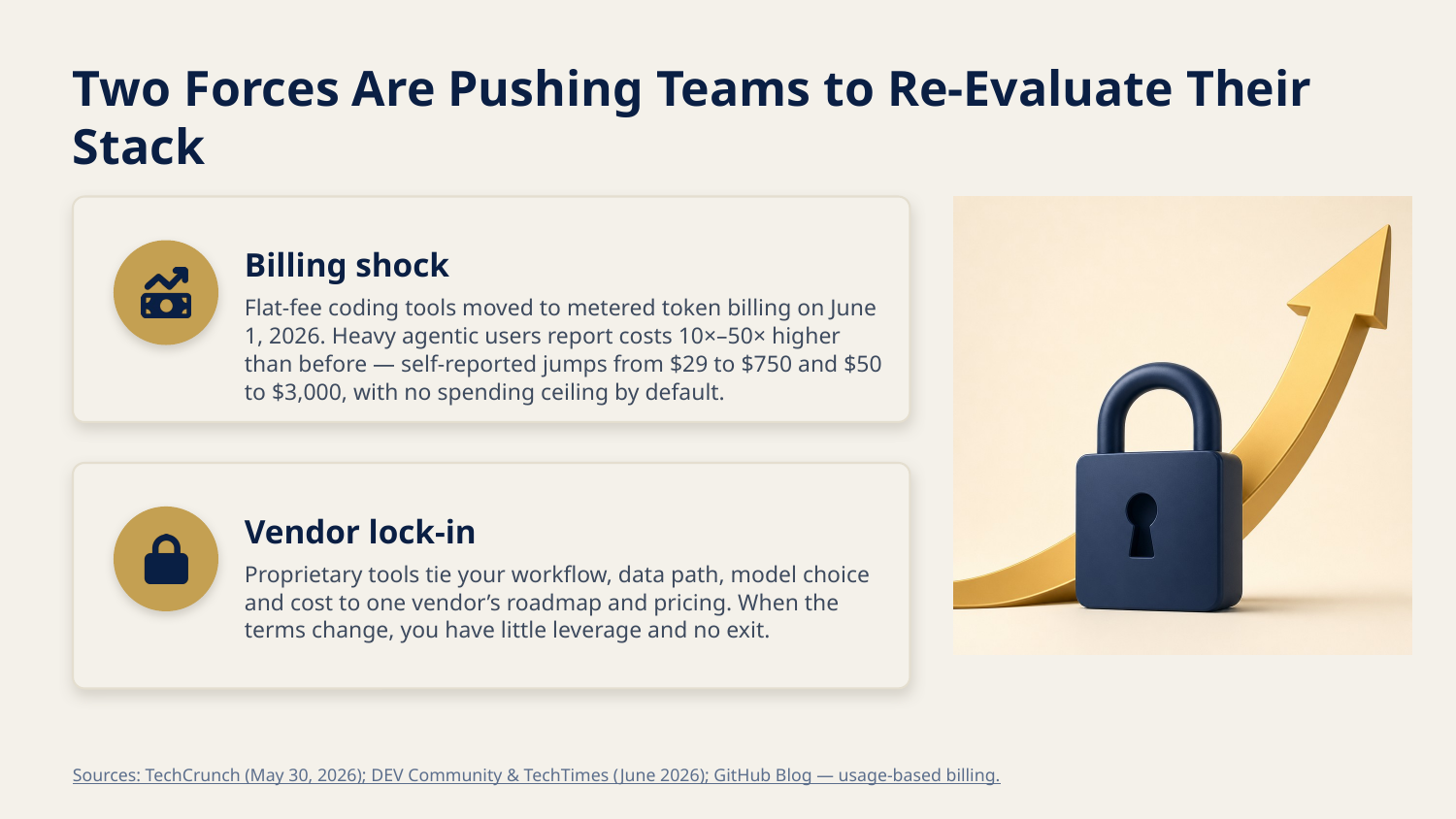
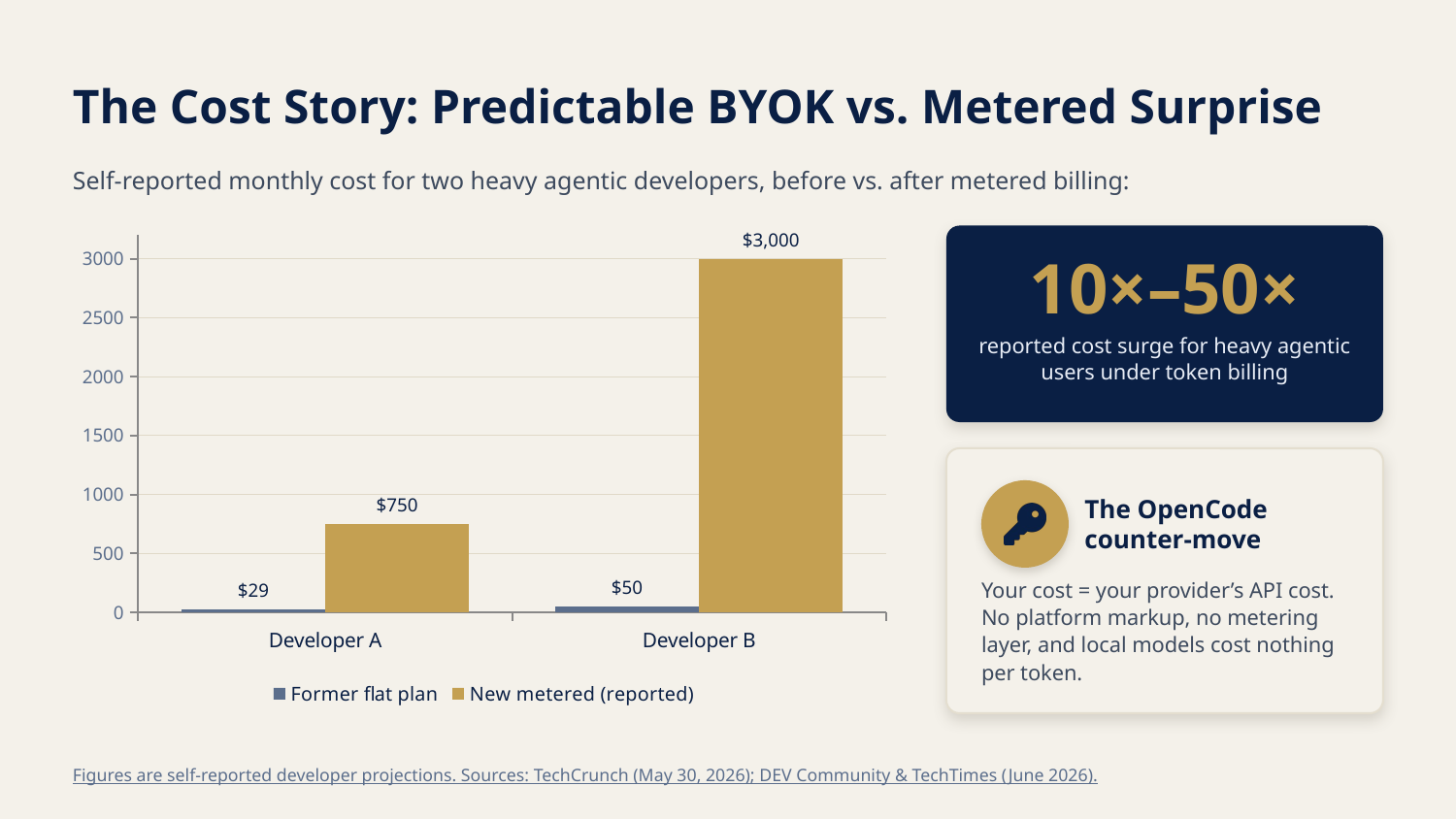
The trigger is cost. Since proprietary coding assistants shifted to consumption billing, every input, output, and cached token an agent processes is metered — and agentic tasks can consume roughly a thousand times more tokens than a single-turn question. Developers running autonomous sessions on frontier models reported bills jumping from about $29 to $750, and from $50 to $3,000, in a single cycle. Several large engineering organizations burned through an entire annual AI-coding budget in about four months; one engineer reportedly ran up more than $80,000 in tokens in a single week.
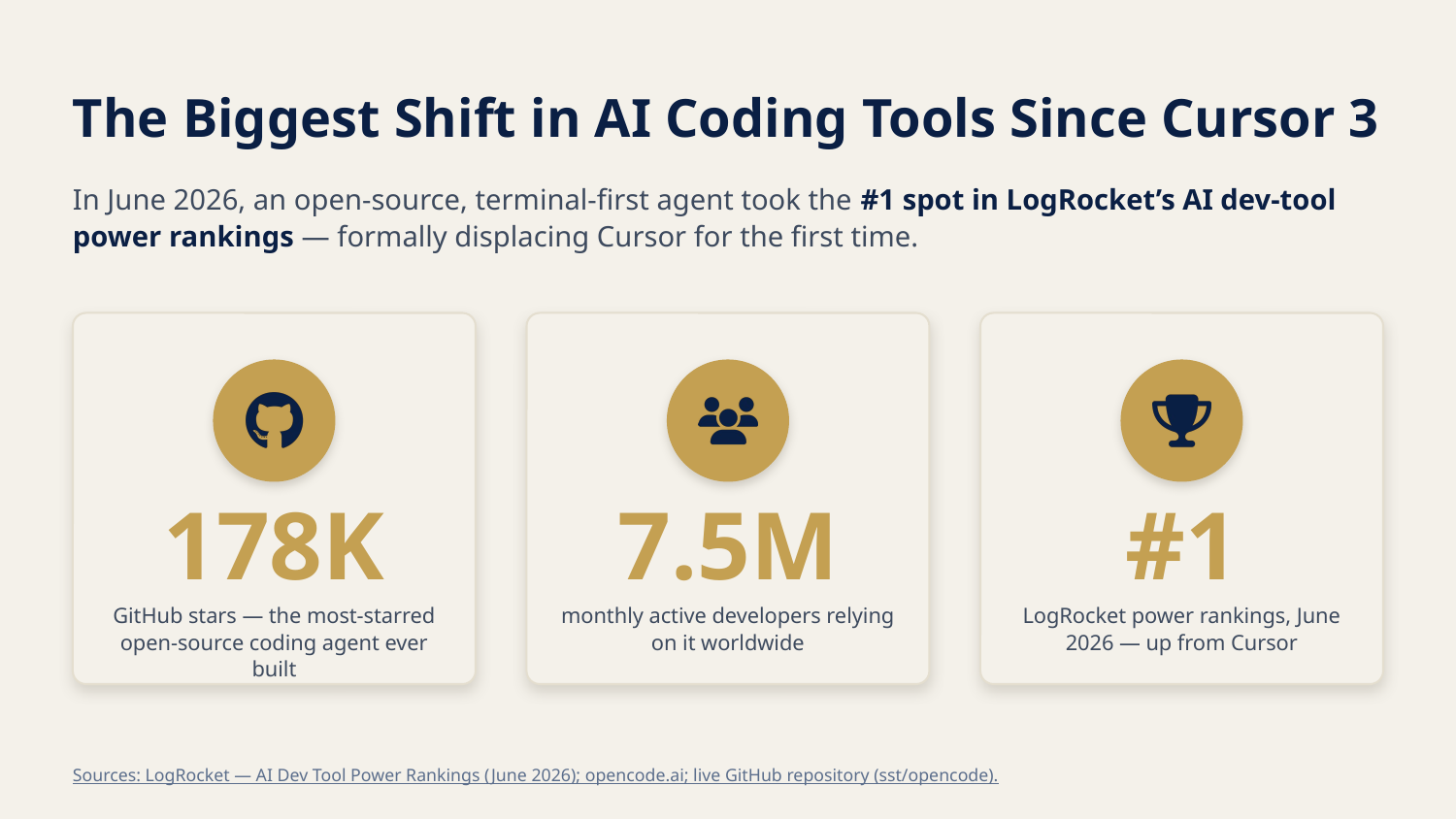
Model choice is the lever that controls that bill. Most coding work — boilerplate, routine refactors, documentation — does not need the most expensive model, and routing simpler tasks to cheaper models has been shown to cut coding bills by 40 to 85 percent with little quality loss. A tool locked to one vendor can’t do that. A model-agnostic agent makes switching models a per-task decision, which is why the open-source, provider-neutral options have drawn millions of monthly users, with one now past 180,000 stars on its public repository.
Is a model-agnostic coding agent free?
The open-source core is free. You pay the API rate of whatever model you connect, which is often far less than a metered proprietary plan for the same work — and a local model costs nothing per token beyond your own hardware and electricity.
Can it really run fully offline?
Yes, if you connect a local model capable of tool calling. The session then runs without any external API calls, which is the most private setup available and the practical path for air-gapped environments.
What is the tradeoff?
Flexibility has a tax. You manage your own provider keys, auth, and rate limits, and a prompt written to work across many models can’t exploit any single model’s quirks the way a locked-in tool can. Smaller local models also tend to fumble tool calls, so the cheapest setups still favor larger models.
The example deck below was built with AskDeck from a brief on this topic; it’s yours to download and edit if a clear, current explainer of model-agnostic coding agents would help your own team.
See the deck