A hedge fund that had multiplied its money tenfold since 2024 needed roughly 72 hours in late July 2026 to sell its entire stock portfolio at a forced discount. The fund was Situational Awareness, and its collapse is a clean live example of how leverage, not conviction, decides who survives a market reversal.
Key Takeaways
- Situational Awareness’s holdings fell from roughly $45 billion to about $10 billion after margin calls forced a total sale of its public book.
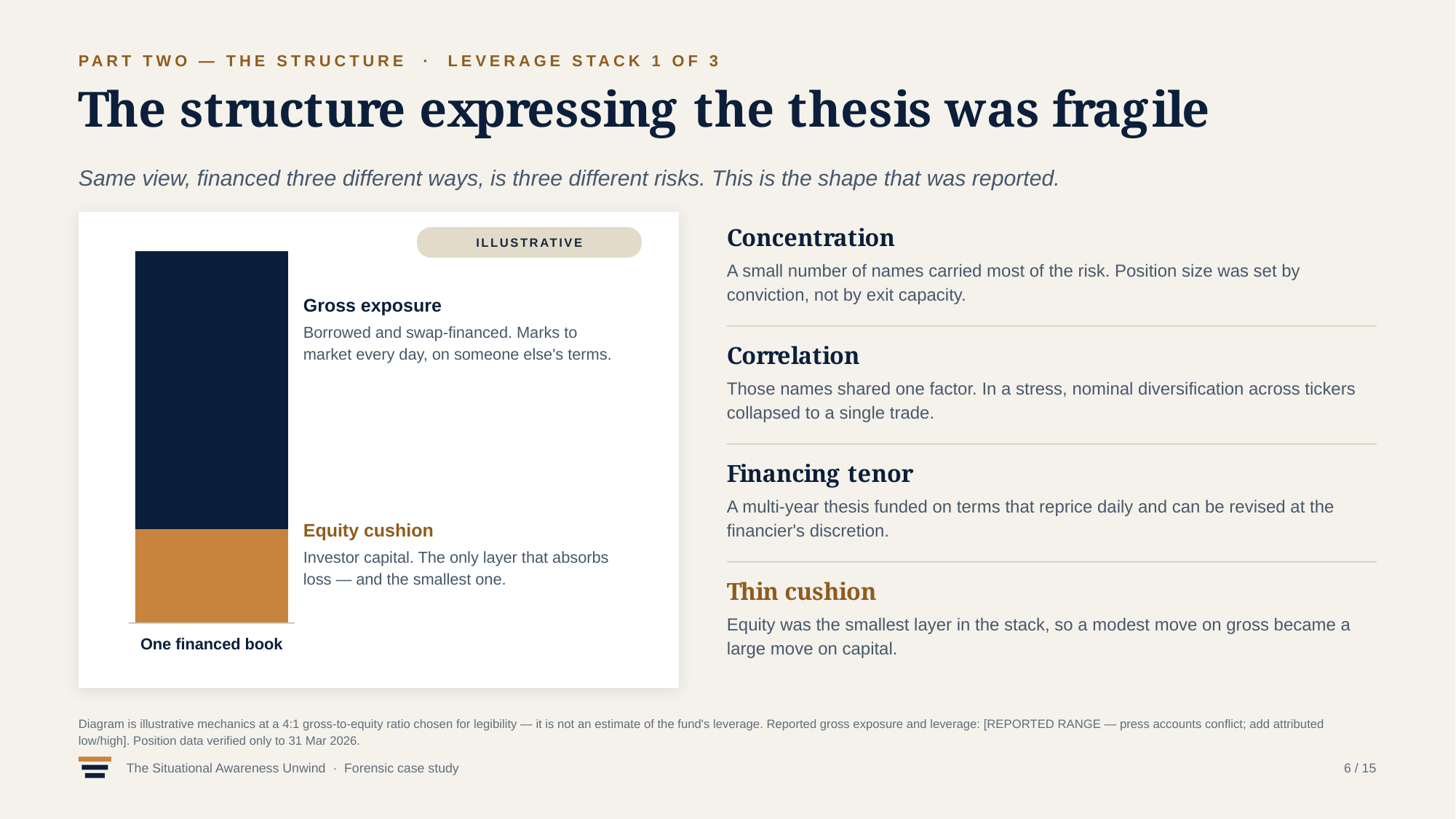
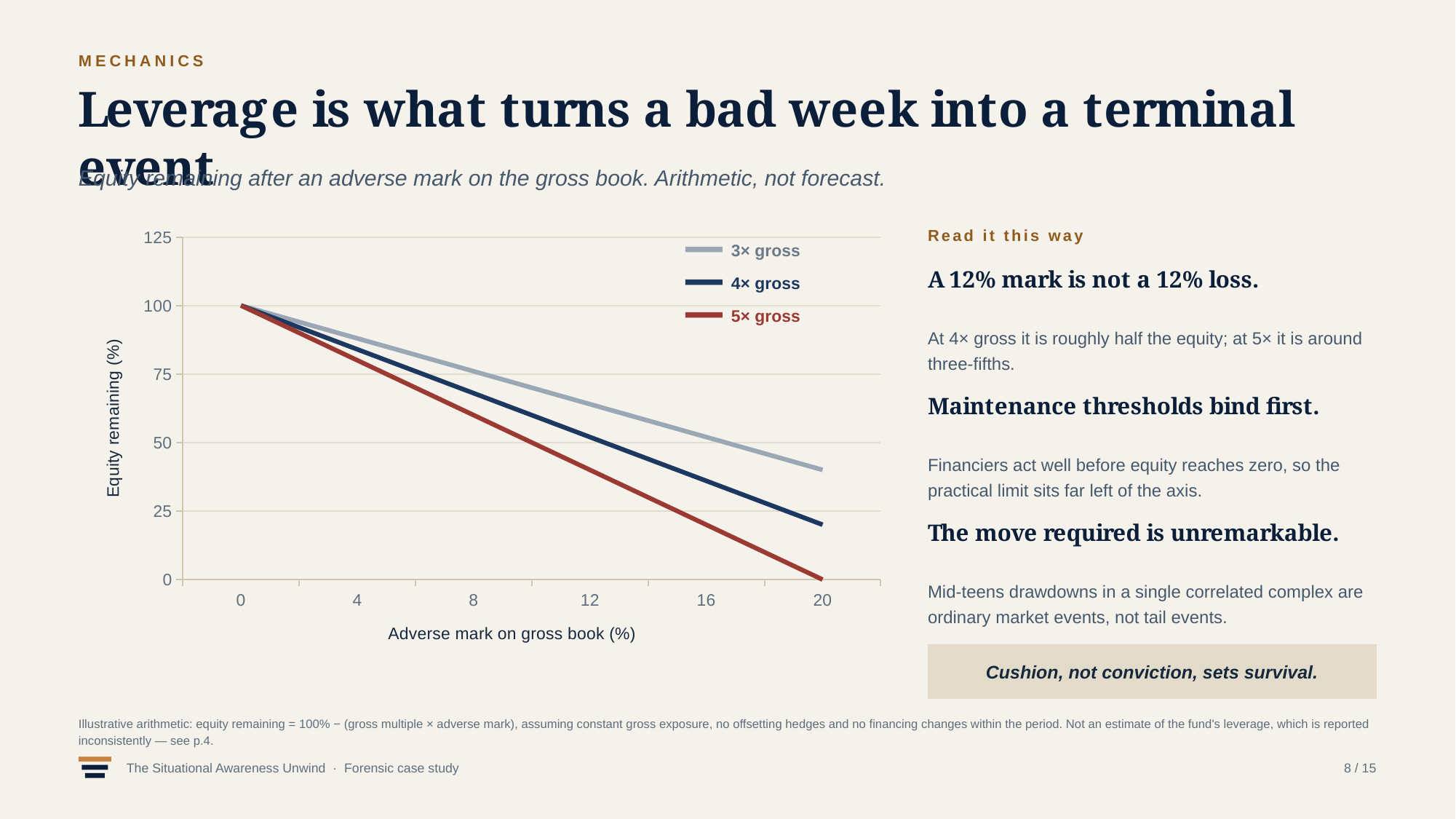
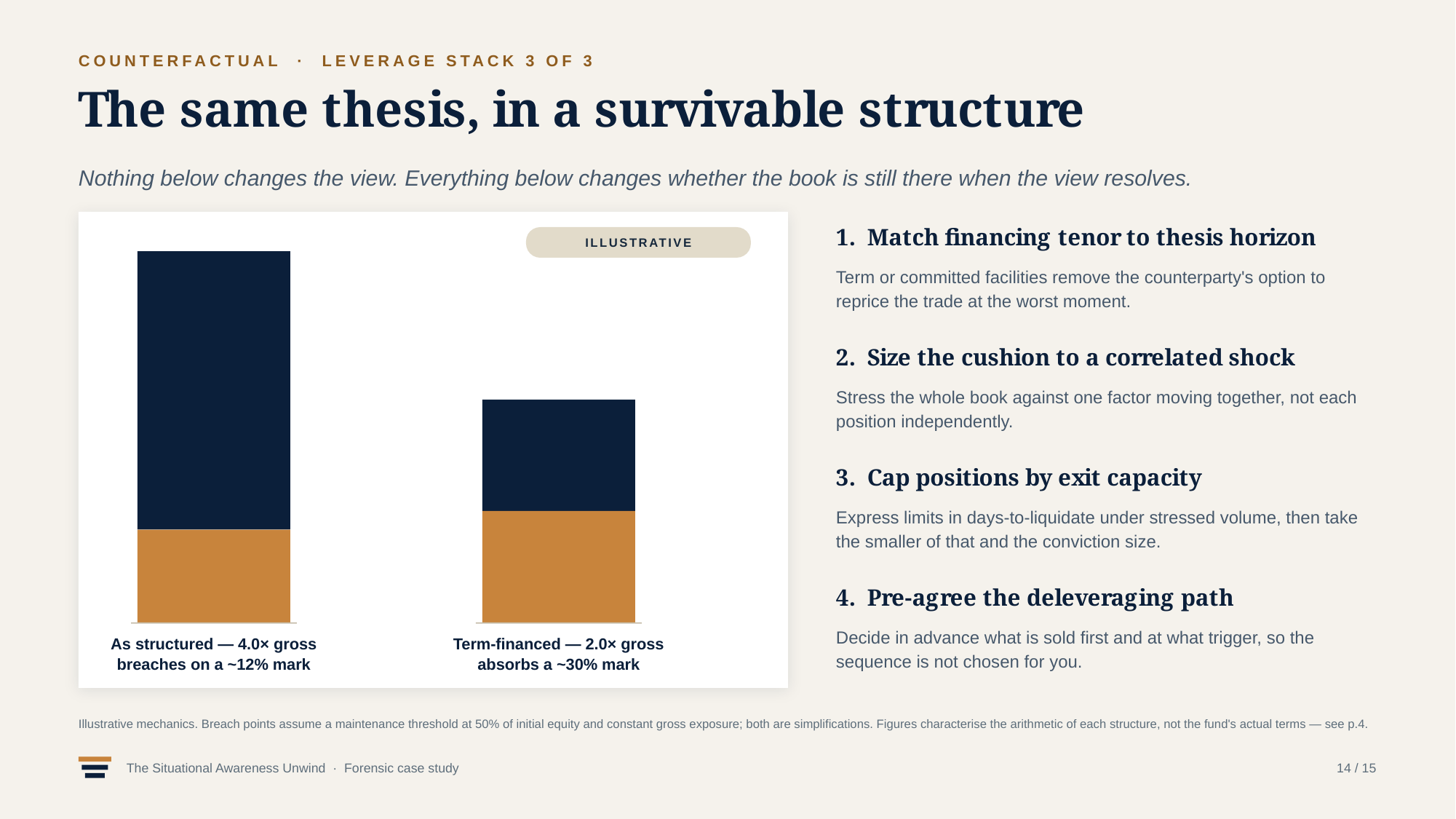
- The fund reportedly ran gross leverage near 4x, so a 25 to 30% drawdown was enough to consume its equity cushion.
- Citadel bought the entire portfolio, longs and shorts, in one block trade instead of an open-market sale.
- The fund kept private stakes, including a reported $5 billion Anthropic position, and now runs as a smaller, private vehicle.
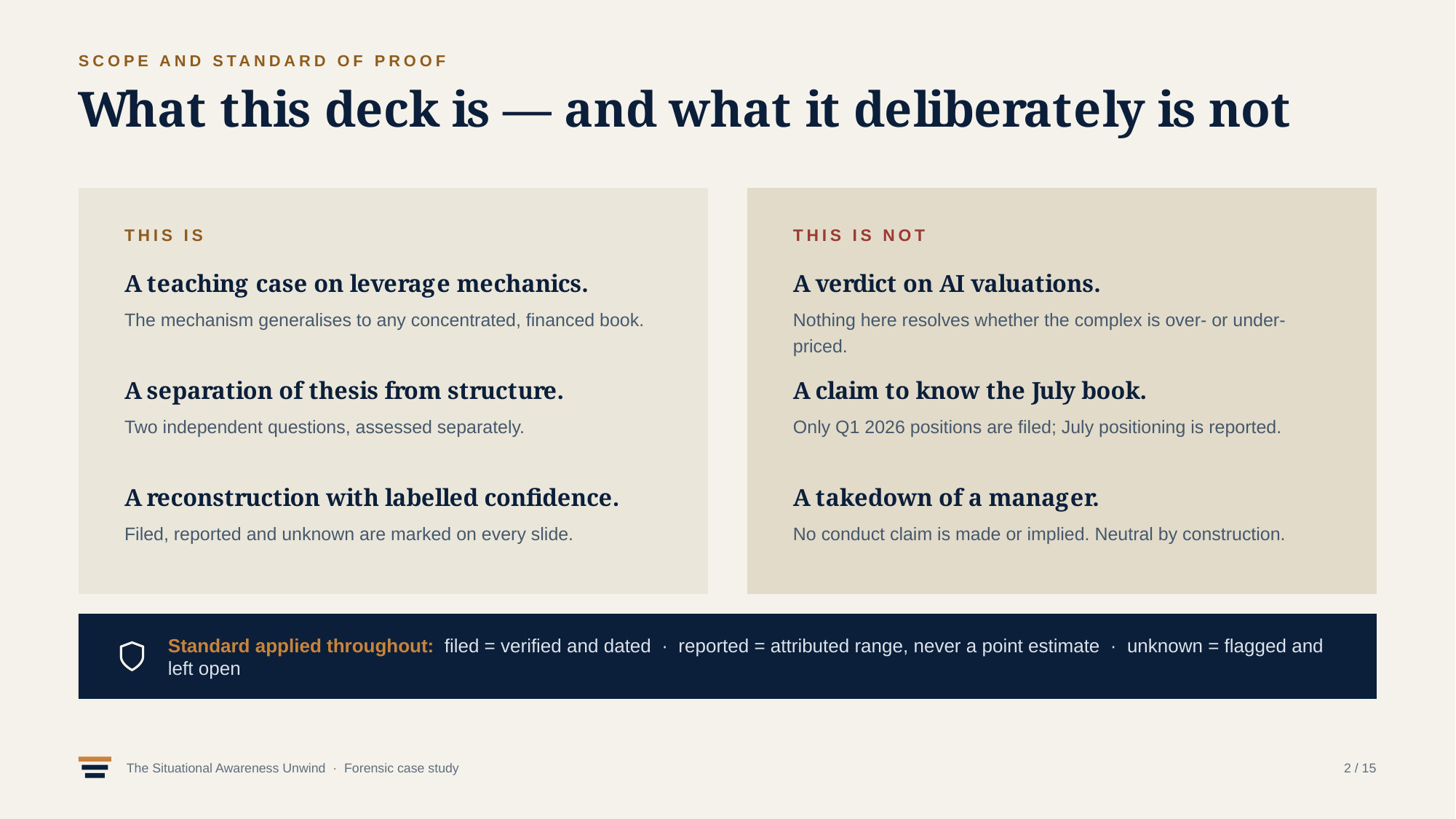
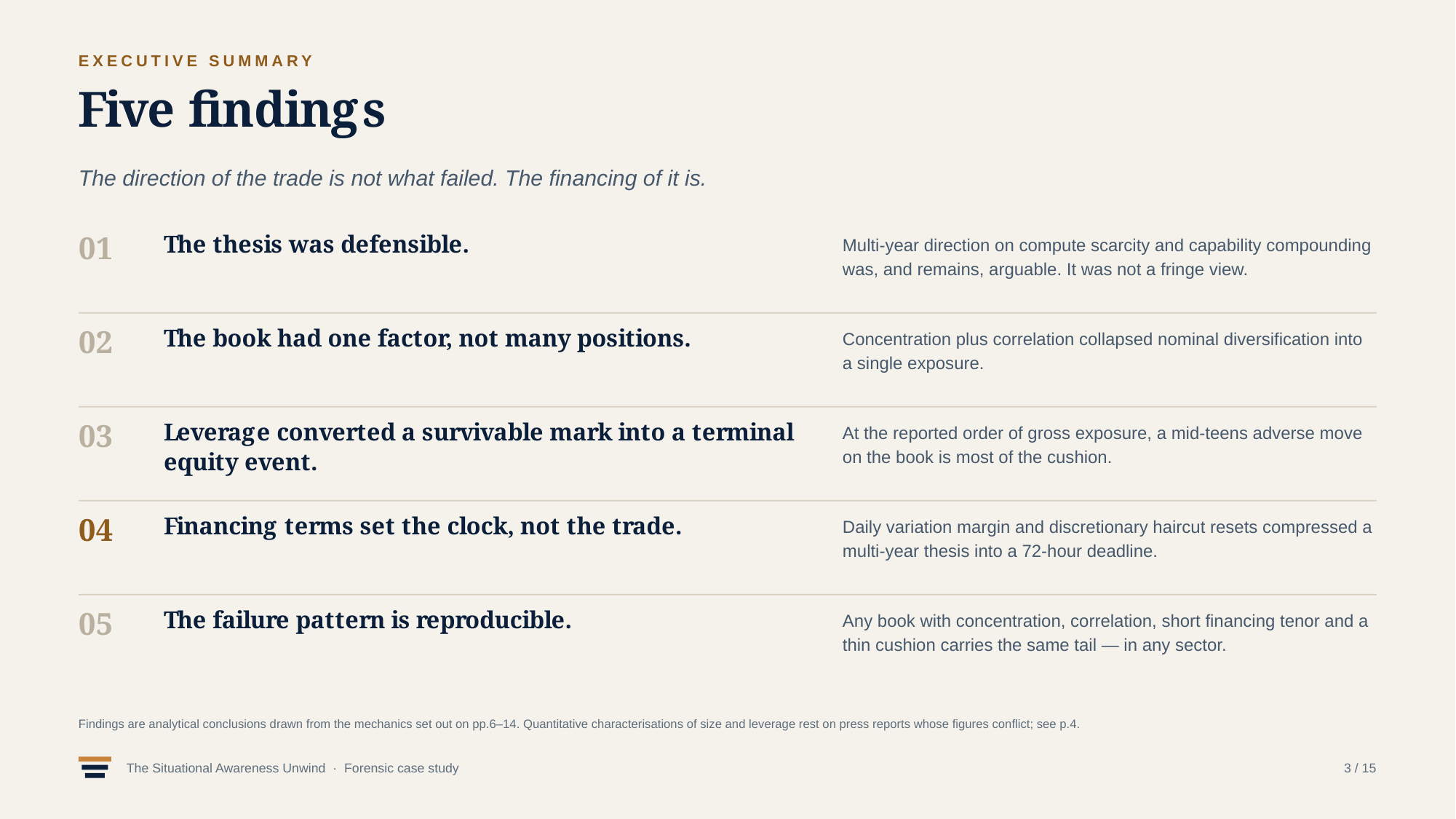
Swipe or scroll sideways to flip through the 15-slide deck →
What happened to Situational Awareness in July 2026?
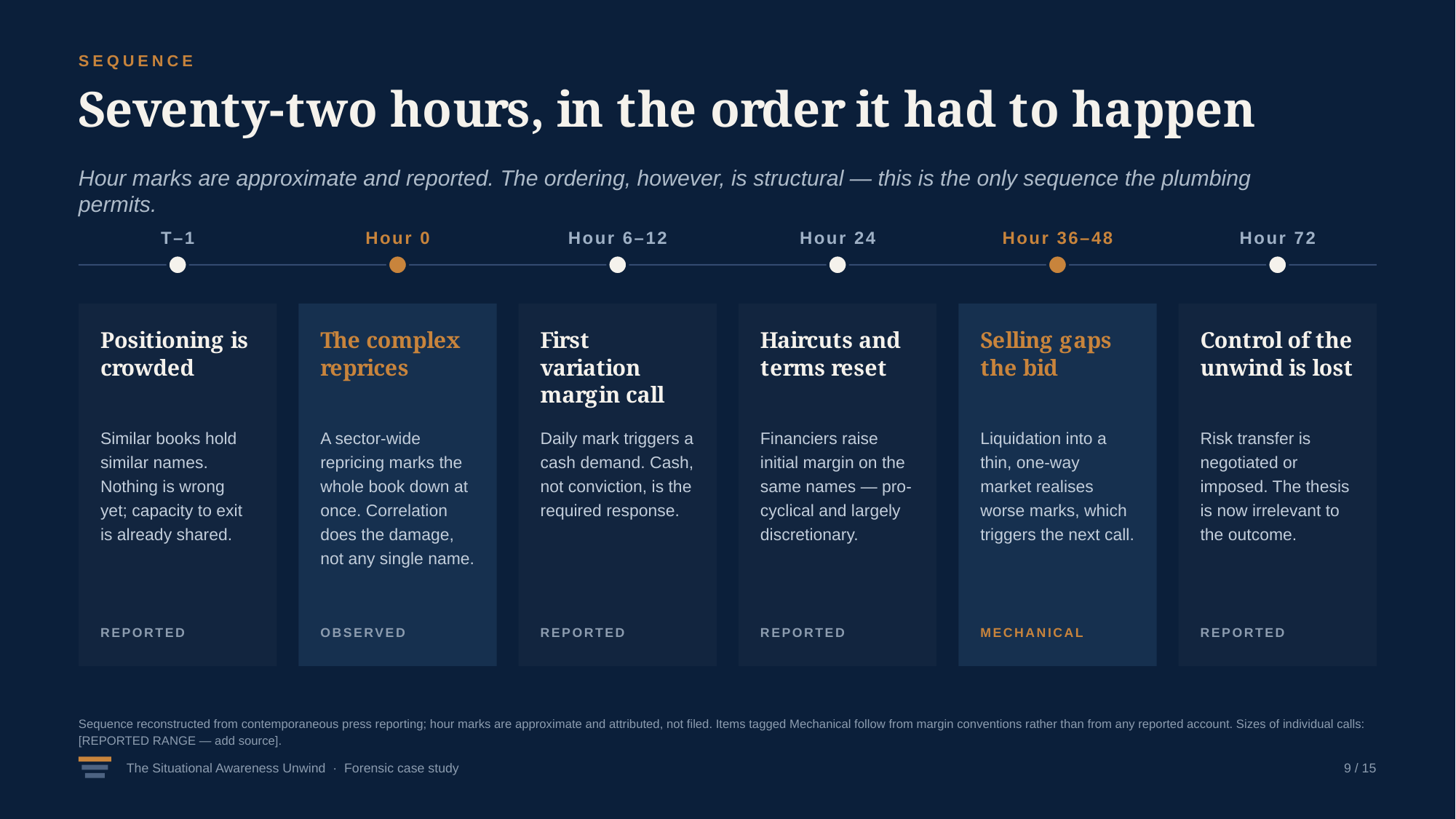
Situational Awareness LP, run by 24-year-old former OpenAI researcher Leopold Aschenbrenner, saw holdings drop from roughly $45 billion at the start of July to about $10 billion within weeks, after margin calls forced a sale of its entire public equities book. Ken Griffin’s Citadel bought the whole book, longs and shorts, in a single block trade, after prime brokers Bank of America, Goldman Sachs and JPMorgan Chase issued margin calls it could no longer meet.
The slide deck embedded below turns this episode into a visual walkthrough, built by AskDeck from a short brief. Back to the mechanics, since they matter more than the headline number.
Who is Leopold Aschenbrenner, and what was his thesis?
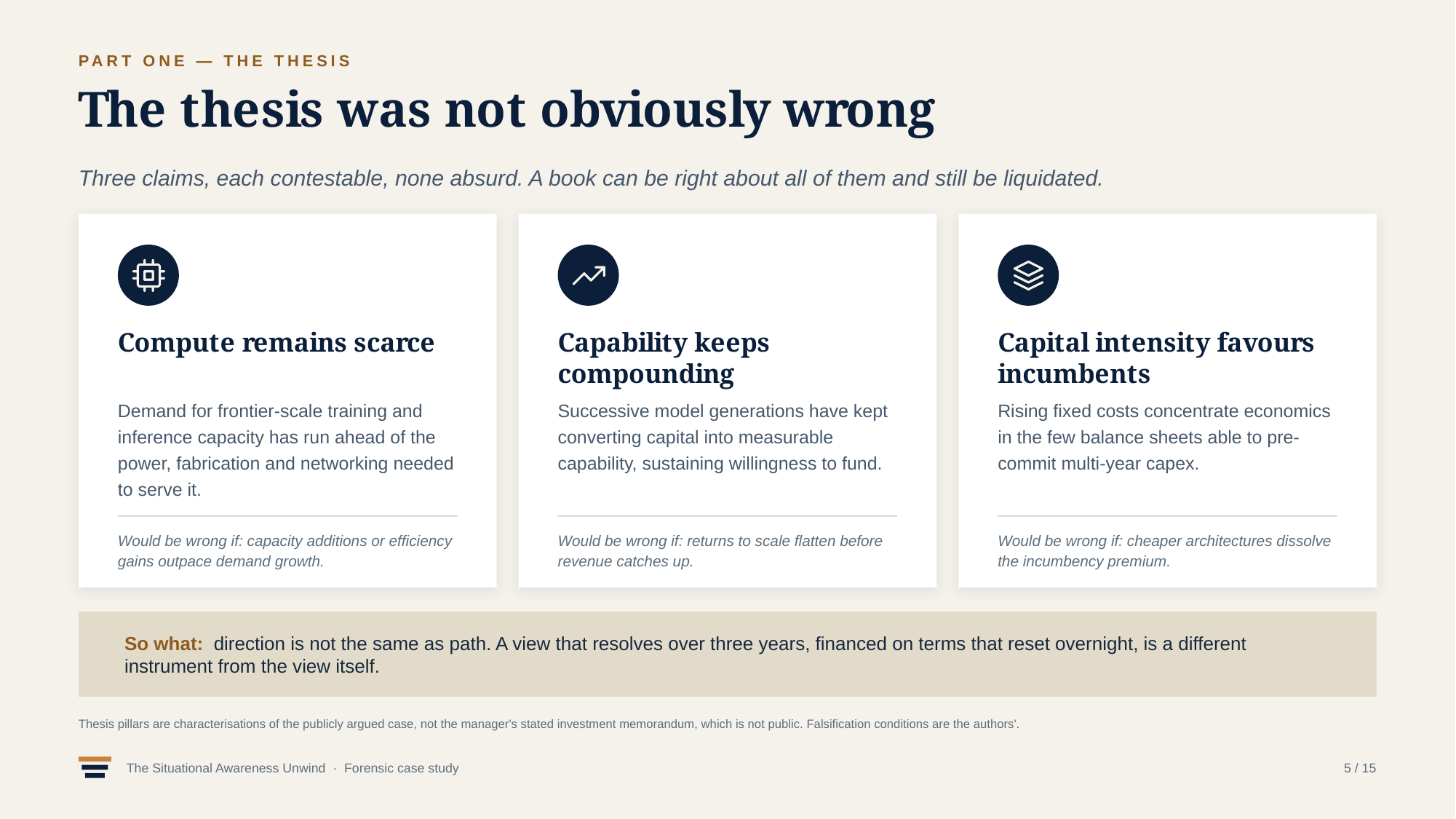
Aschenbrenner built his reputation on one idea: the AI buildout would require an enormous, underpriced expansion of chips, memory, data centers and power. He joined OpenAI’s Superalignment team in 2023 and was dismissed a year later over an alleged improper disclosure, which he disputes. He turned that thesis into a fund named after his 2024 essay, launched with a few hundred million dollars and backing from Stripe’s Collison brothers, Meta’s Daniel Gross and Nat Friedman, and quant firm Jane Street.
How big did the fund get, and why do the numbers conflict?
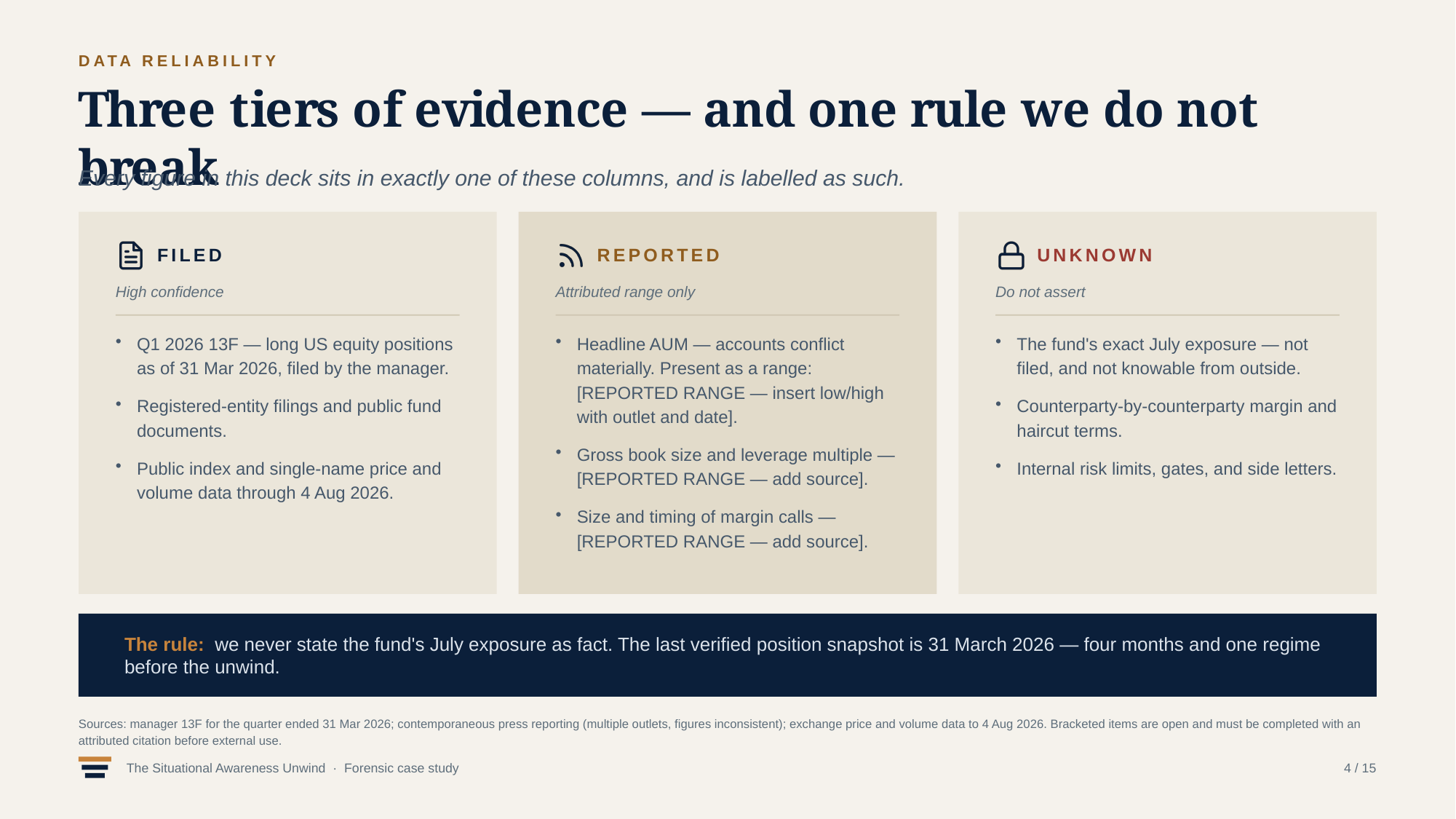
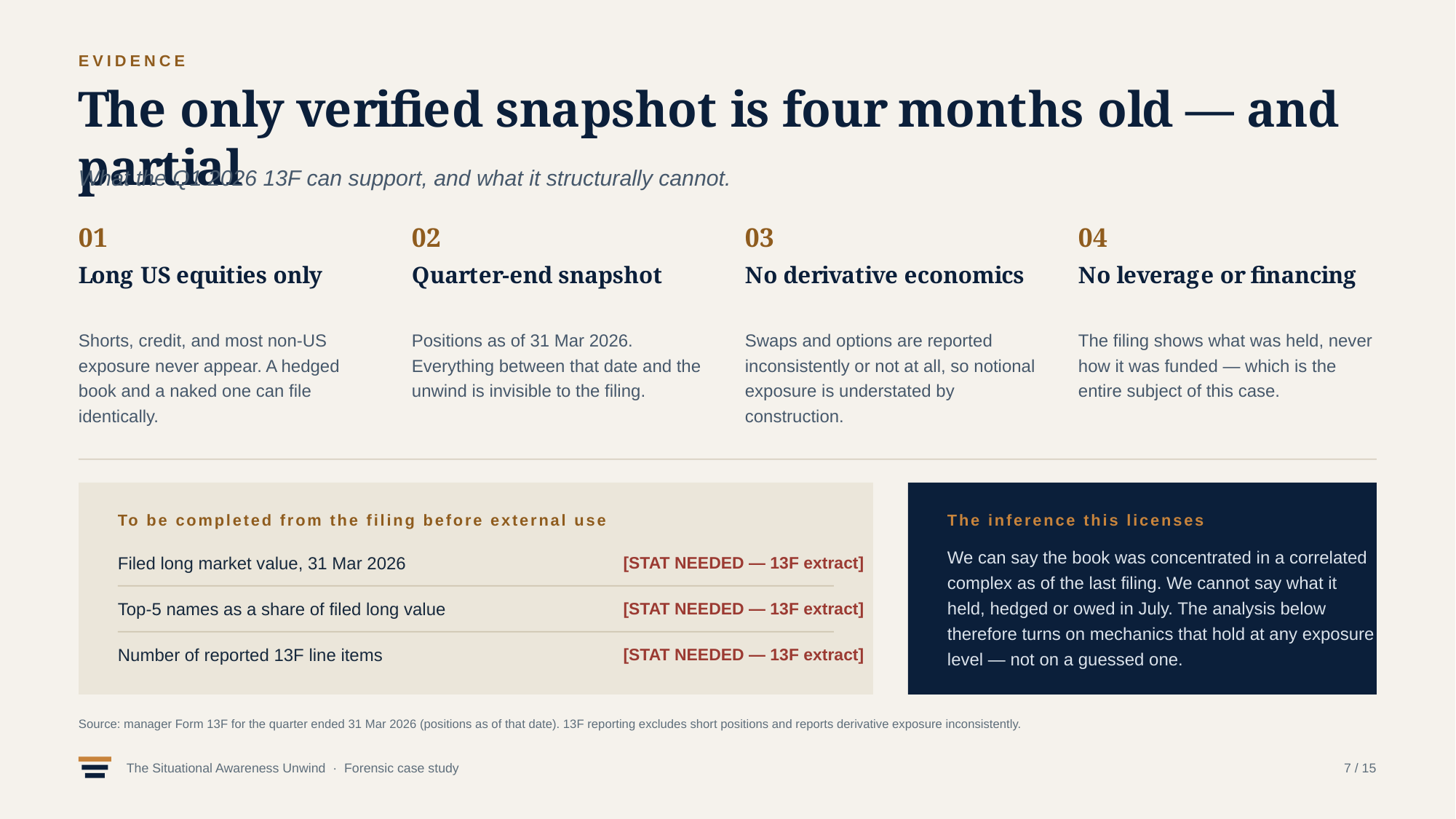
Reported figures vary enough to warrant a range, not a single fact. The fund’s Q1 2026 filing, its last verified snapshot, disclosed roughly $13.7 billion in U.S. equity exposure across 42 entries, while press accounts put total assets anywhere from $20 billion to $45 billion by July, a gap likely reflecting net asset value versus gross leveraged exposure. Undisputed: it returned 439% net through June 2026, on top of gains topping 1,000% since launch.
What triggered the forced sale, and how much leverage was involved?
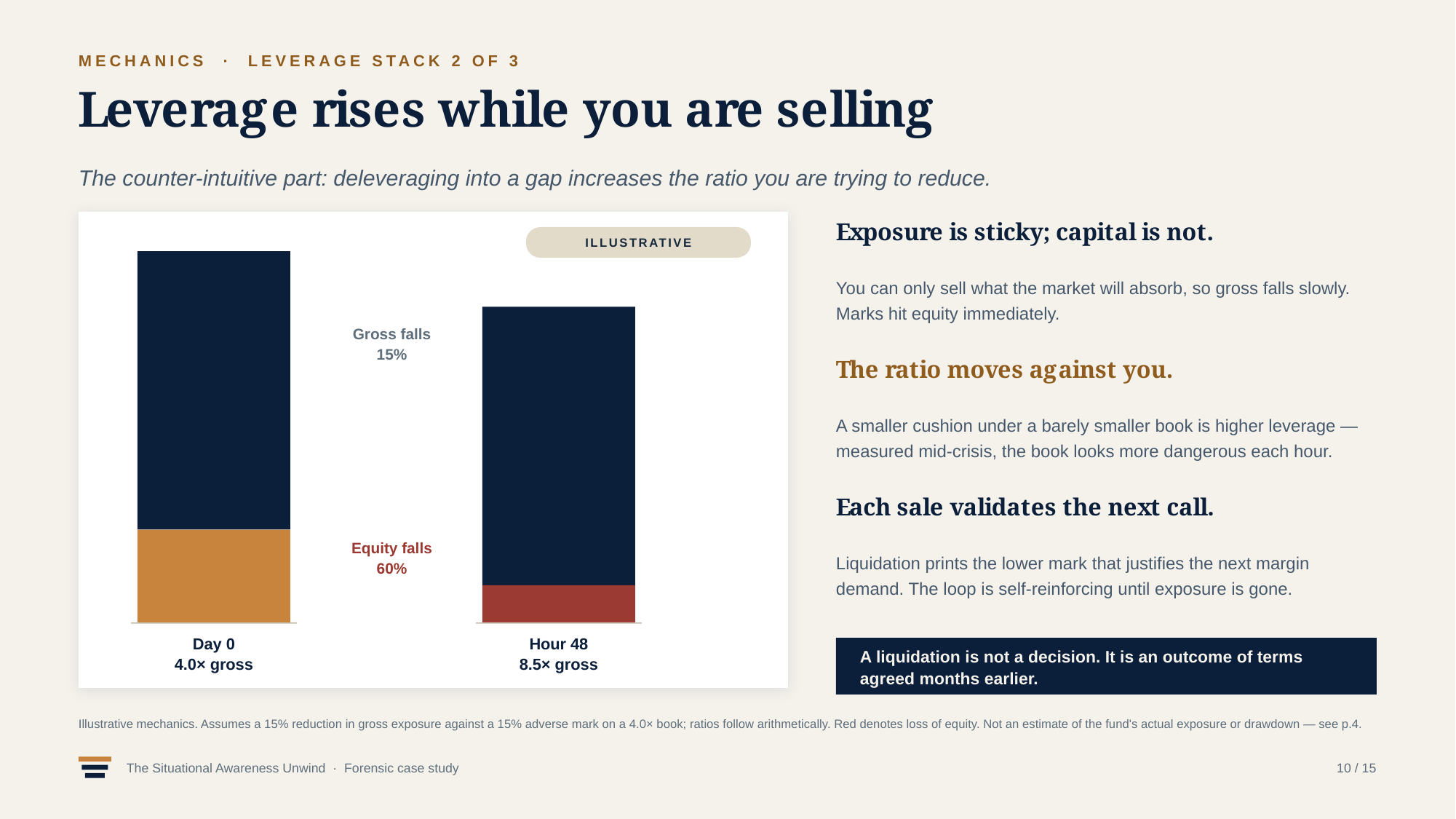
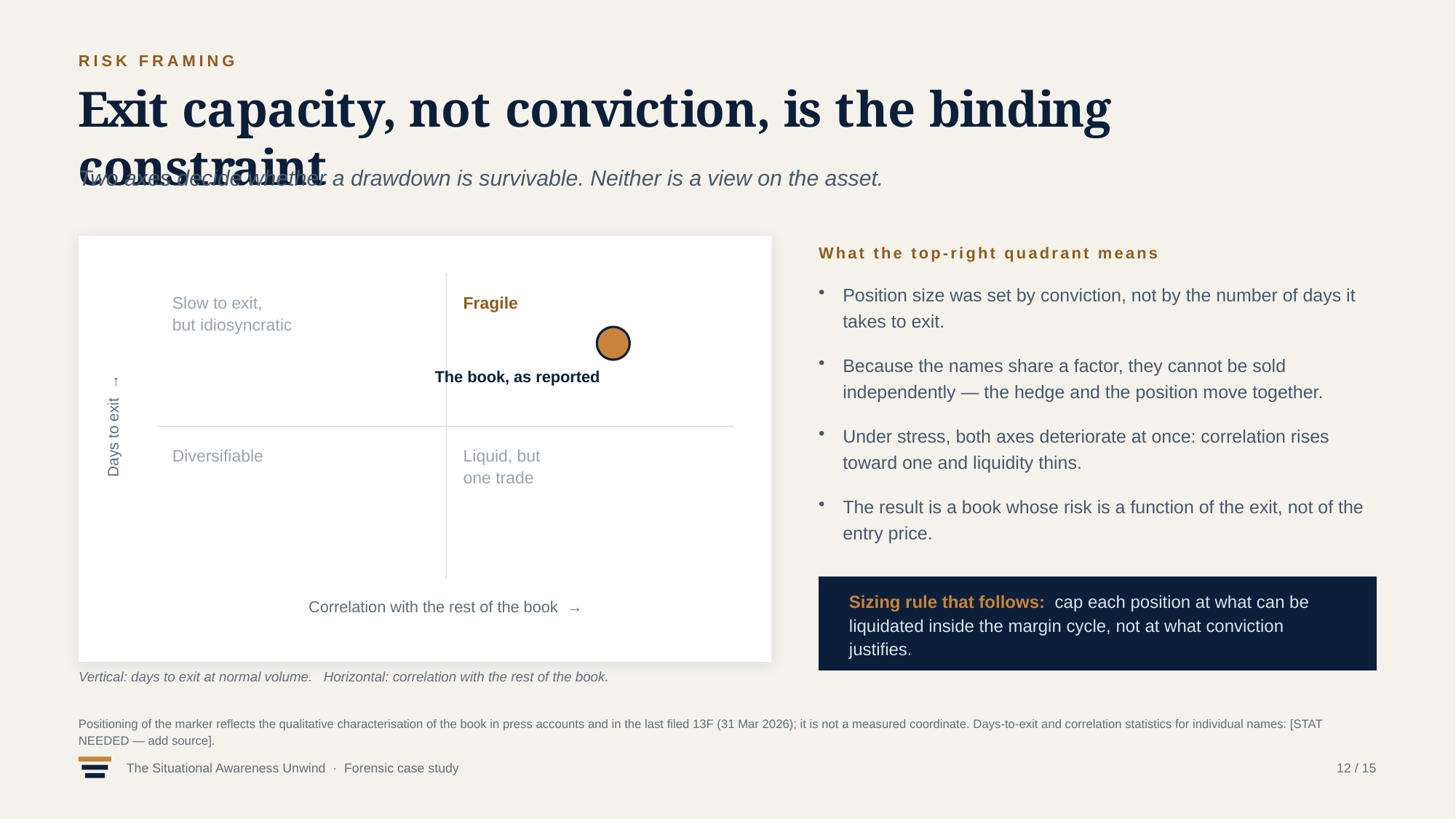
A listing event cascaded through a concentrated, correlated book. SK Hynix’s U.S. listing in early July unwound leveraged Korean equity positions and dragged the stock down sharply from its June peak. Because the fund was simultaneously long AI infrastructure names and short software it viewed as vulnerable to disruption, losses hit both sides at once, in longs concentrated in “picks and shovels” infrastructure like Bloom Energy, SanDisk, CoreWeave and Core Scientific, several down more than 30% for the month. Borrowed money turned that into total loss of control: reports put gross exposure at roughly four times equity, so a 25 to 30% decline was enough to wipe out the cushion. On July 24, Aschenbrenner asked investors for capital, not time, calling the selloff one of the best opportunities since early 2025. The money never arrived, and by Thursday the fund’s three prime brokers issued margin calls that ended its control over timing.
Why did the whole book go to one buyer instead of the open market?
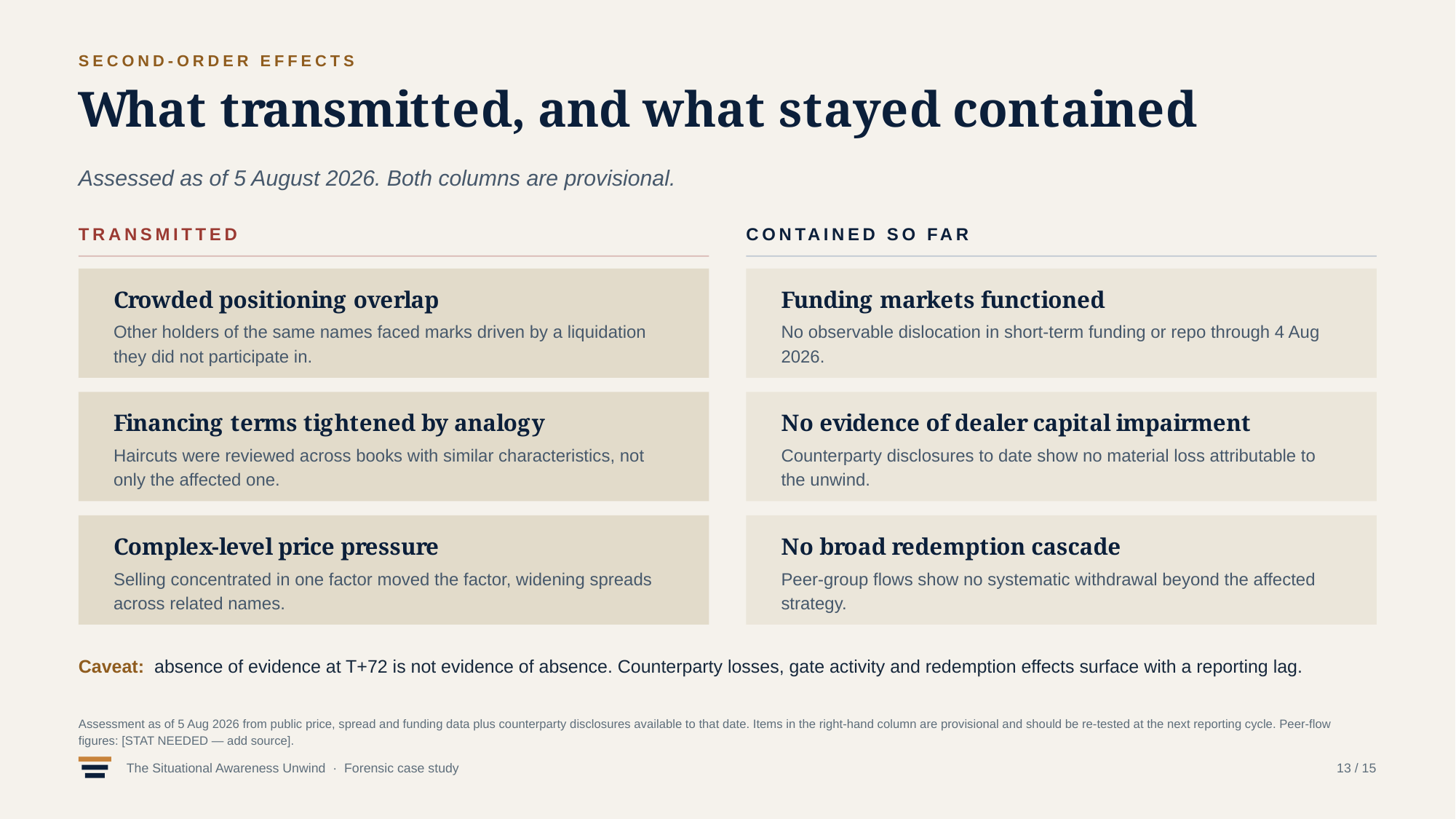
A single block sale kept the unwind from becoming a multi-day fire sale dragging down funds with overlapping positions. Selling this size piecemeal, including roughly 8% of one holding’s shares outstanding, would have meant days of price-insensitive selling that overwhelms dealer liquidity and lifts volatility. Other large funds reportedly evaluated buying pieces and passed, leaving Citadel to absorb the whole book at a discount.
What’s left of the fund now?
The private holdings left out of the sale define what remains: a stake in Anthropic reportedly worth around $5 billion, plus positions in chipmaker MatX and data center developer Fluidstack. With the liquid book gone, the fund became a private vehicle overnight, keeping its highest-upside asset while losing the positions that once let it manage risk.
Does this mean the AI thesis was wrong?
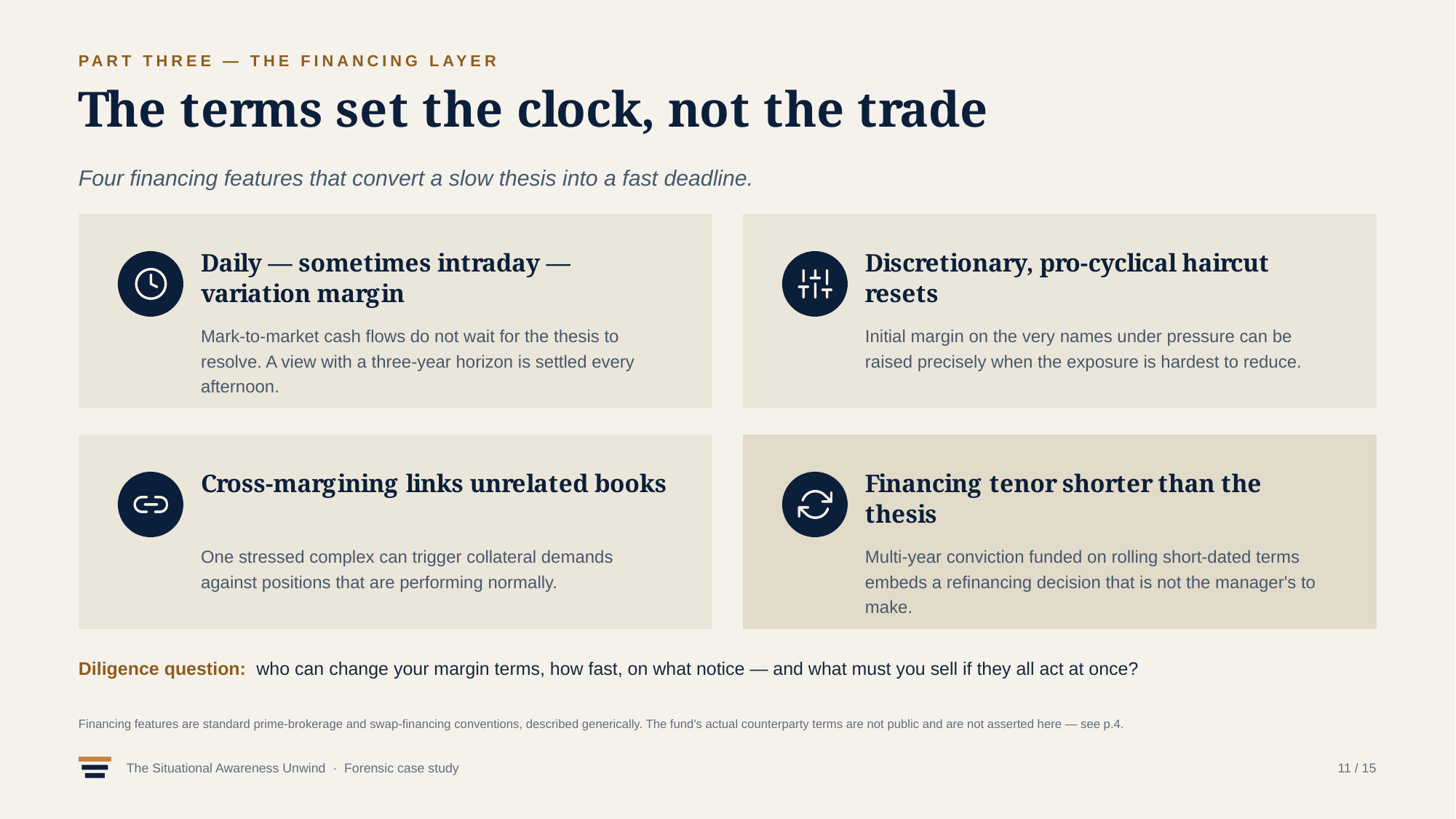
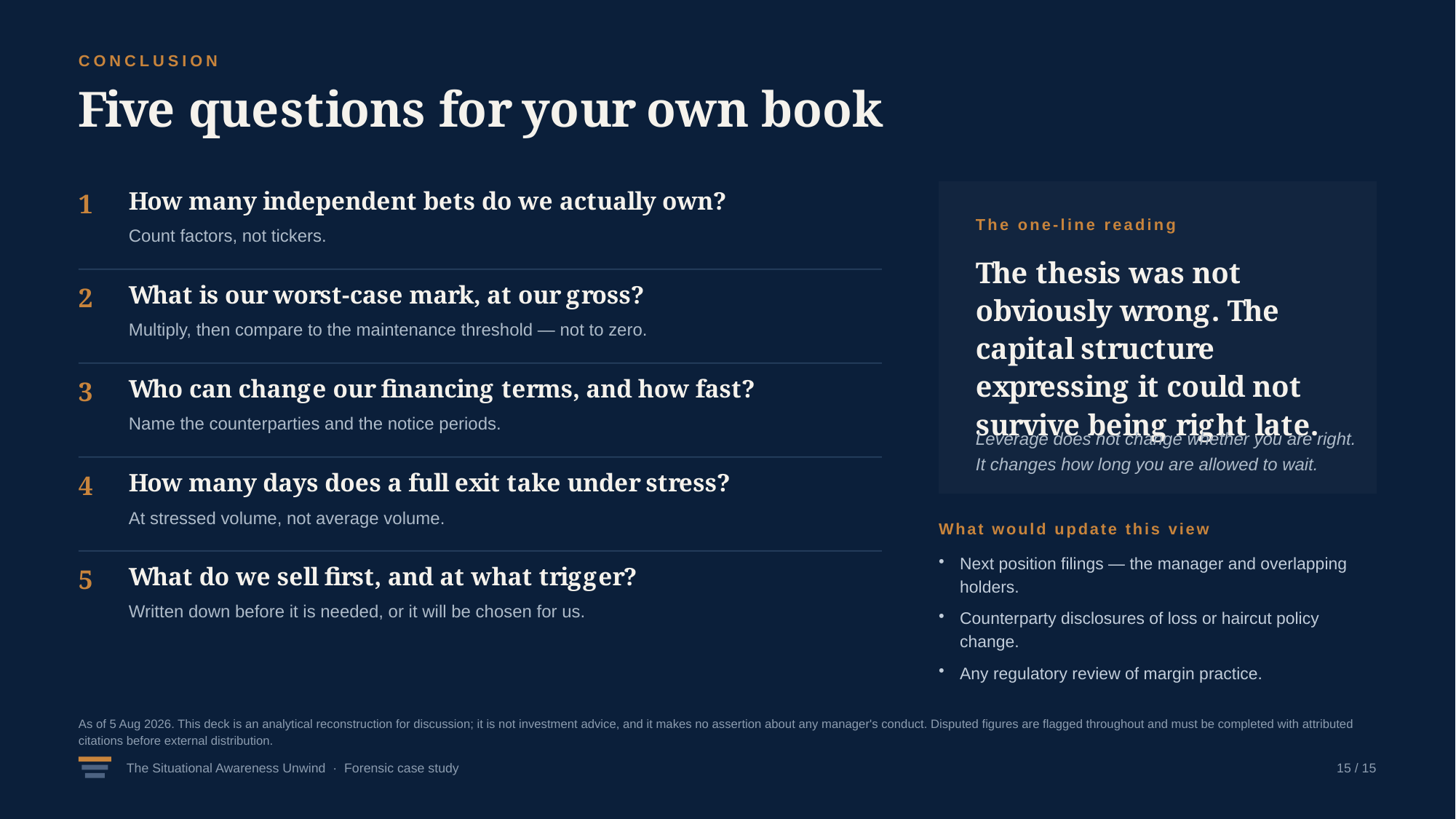
Not necessarily, and that distinction is the real lesson. The forced sale reflected financing structure, four times leverage against a correlated book, not proof that demand for chips, power and data centers had disappeared. Rapid gains often encourage excessive borrowing, and when financing turns uncomfortable, lenders prioritize daily collateral over future potential, forcing sales of liquid assets first. Patient, long-duration infrastructure bets and impatient, daily-marked debt do not mix well under stress.
Common question: did the fund go out of business?
No. It sold public equities but kept private stakes, including the Anthropic position, and now runs as a smaller, private vehicle. Leverage, not returns, decided its fate: a fund up 439% can still run out of margin before the market agrees with it.
The deck below turns this sequence into a leverage-stack walkthrough, built with AskDeck from a short brief and free to download and adapt.